January 10 – February 22, 2025
Opening Reception: Friday, January 10, 6:00 – 8:00 pm
In-person Artist Talk: Friday, February 7, 6:30 PM


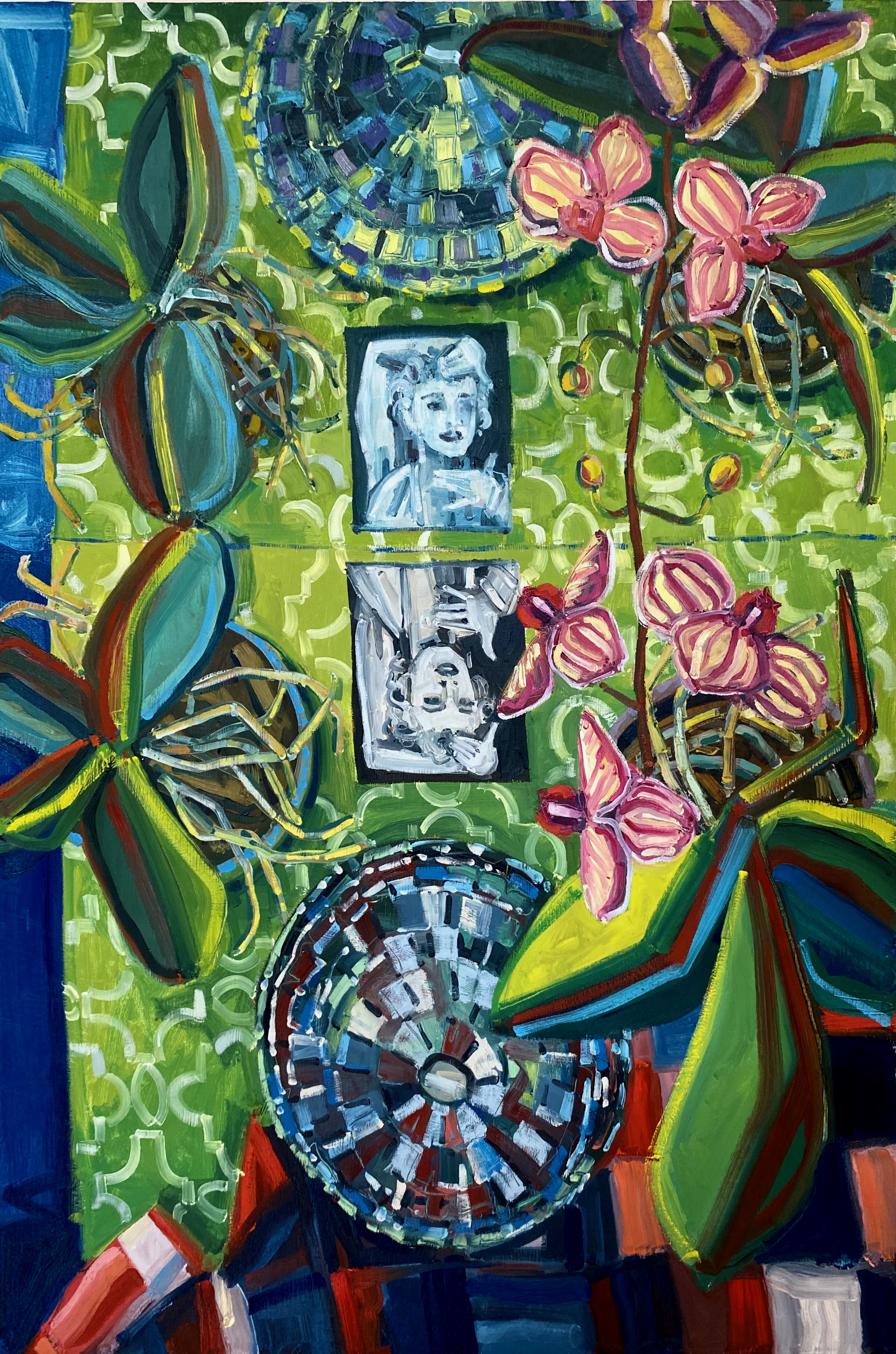
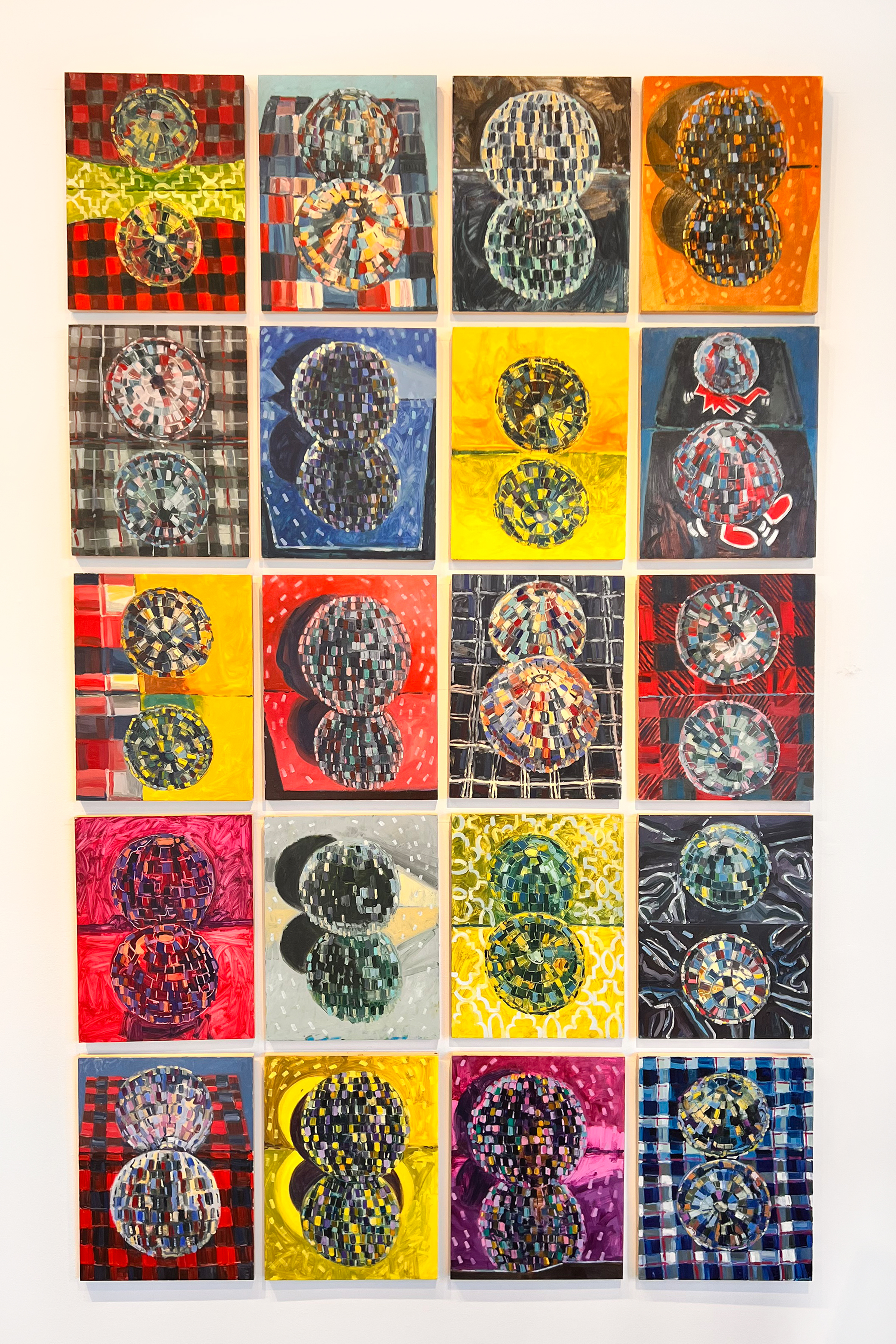
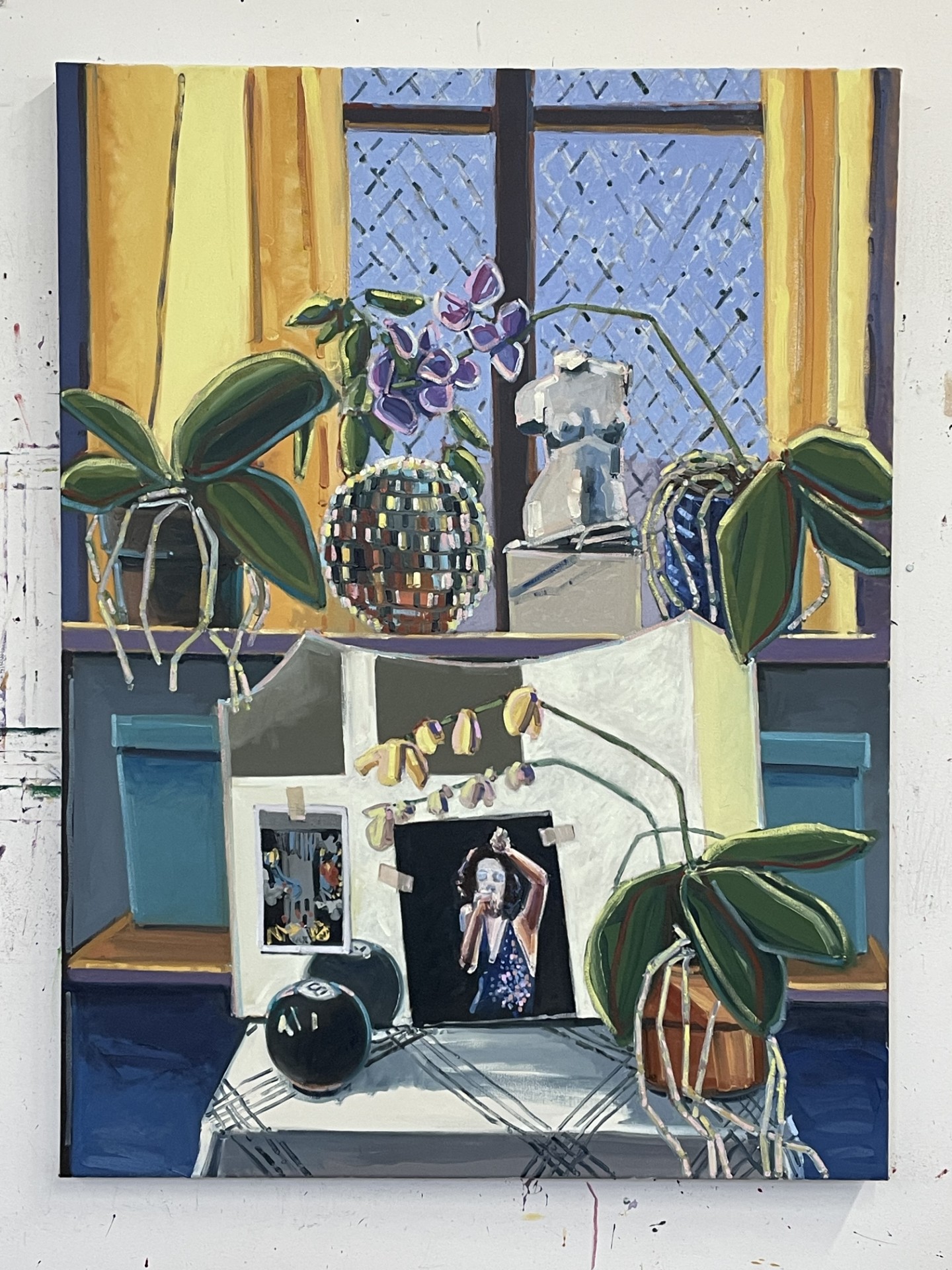
In my work, I explore the picture plane as a dynamic space for examining identity, fluidity, and self-reflection. Mirrors and windows function as both literal and metaphorical boundaries, framing the complex interplay between interior and exterior worlds. The mirrored surfaces in my pieces encourage viewers to reflect on themselves within the artwork, inviting questions about self-perception and the fractured nature of identity.
Disco balls and gay icons bring the vibrancy of queer history and culture to the forefront, celebrating these as spaces of liberation and belonging. The fractured reflections from disco balls create kaleidoscopic, fragmented images, symbolizing how identity can be multifaceted and ever-shifting. These icons, embedded in patterns and textile designs, evoke a shared cultural memory.
Textile patterns—especially those that mimic plaid, and other woven designs—introduce a tactile element, softening the rigid frame of the picture plane and echoing the textures and layered identities we all wear. These fabrics become windows of their own, suggesting that, just as in life, patterns reveal themselves through repetition, overlap, and transformation.
Through this confluence of elements, I aim to dissolve the boundary between observer and observed, inviting each viewer to see themselves as part of a shared, evolving narrative of self and community.
Mark Buku is a native of Accra, Ghana. Growing up in the city of Accra, one known for its style and artistic exuberance, has inspired him to capture the essence of his subjects in all the glory of its rich cultural heritage. With an extreme dedication to his craft, his style stems in part from a childhood that exerted an enormous influence on all his paintings. “I prefer to paint subjects that are representative of many facets of African life. Among my many favorites to paint are portraits and landscapes.”
As a self taught artist, Mark’s style is a blend of realism and impressionism. His artwork is nostalgic and uplifting. His art celebrates the traditional values of his culture.
Since receiving his B.A. in Art from Kwame Nkrumah University of Science and Technology in 1992, Mark has always dreamt of pursuing his lifelong passion to draw and paint. Dedicating all his creative energy and time into what he loves to do, and that is to paint. Mark’s philosophy is that everyone should have the opportunity to appreciate and afford beautiful art, it can be print or original. A true talent whose star continues to shine brighter and brighter. “To be excellent, to dare to be great at what I love to do, and to make a substantial contribution to the lives of people who are touched by my art is my dream. I take pride and pleasure in capturing the essence of a particular subject and manifesting it on canvas, knowing that it will last as an eternal memory.”
Mark has earned many awards, was a 4th place winner at the Seventh European Community Art showing organized by the British Consulate in Ghana. His exhibitions span from Canada, the United States and Europe. His work has appeared in the many corporate hallways and offices, renowned galleries including Art Werks, Chicago and Galleria Africana, Chicago as well as many homes across America and Canada
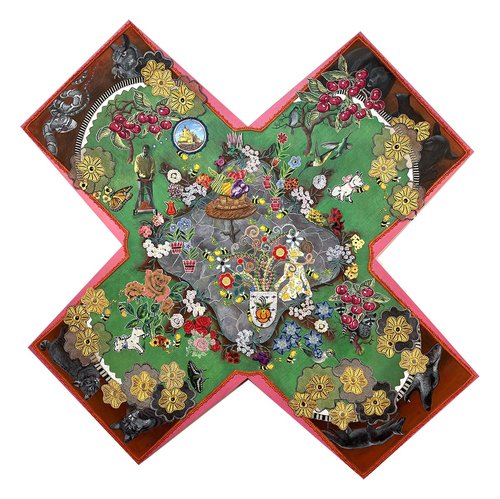
I am a Guyanese-born contemporary visual artist and a retired adjunct art professor who has lived and worked in the United States of America for the vast majority of my adult life. My memories of Guyana are rich and abundant. A visual kaleidoscope from this exotic place is referenced in my work. These references serve as visual footnotes to my artmaking practices by allowing me a rich palette of sites to draw from. Saturated colors and patterns reveal themselves in my paintings, drawings, sculptures and collages. Sometimes my subject matter is abstract forms while others are about myself. My self- portraits are autobiographical and mythical mirrors through which I’m able to reflect upon from my past by reminiscing about the Guyana that I once knew as a child.
Wide noses and thick lips are frequent in most of my work. I use these features not as cultural stereotypes, but to emphasize the natural beauty of African features. I am drawn to these features and continue to use them in my work because I find them sculpturally strong, ruggedly handsome and spiritually connected to my work. The multicolored mask-like images reflect the fusion of both the Guyanese-African and indigenous cultures with their rich and diverse pagentry of carnival. My work combines both imaginary and spiritual concepts through myths and folklores. This process allows me to stretch my imagination to the fullest of its elasticity.
Most of the symbols in my work are used metaphorically and vary in interpretation based on the context in which they are applied. My work embodies all of my experiences as a human being and a Guyanese-born artist. In view of the above, I trust that you find my work visually and spiritually stimulating.
Stanwyck E. Cromwell, M.F.A.
My current sculpture is made out of scavenged firehose, clothing, and mixed mediums. Scavenged firehose has dramatic sculptural potential and personal metaphoric meaning. The overall theme of the work poses the question, “What constitutes strength?” Abuse of power seems rampant. Who can or do we trust? Can we trust authority? What remedies do we have to protect and nurture our own existence? How do we stay strong, emotionally and physically? In the ancient book, The Art of War, Sun-tzu: writes “neutralize an adversary’s military power, but not through battles.”
The formative core of my work stems from the family lore of my father’s early death from injuries in the Navy and my grandfather’s tragic death, a fireman who died saving a boy from a well. By way of these hero worship stories, I have constructed, deconstructed, and created proxies for themes. As a result, water has been a primary theme along with nature, nurture, contradiction, and parody.
I’m using fire hose to create a parody of gyms. Personalized training creates strength but is often a replacement for and contributes to the perceived lack of value in manual labor. Making art needs manual labor. Using firehose and hand-dyed underwear suggests a human connection to my oddly scaled sculptures. Additionally, my wall assemblages including fire hose are formal contemplations.
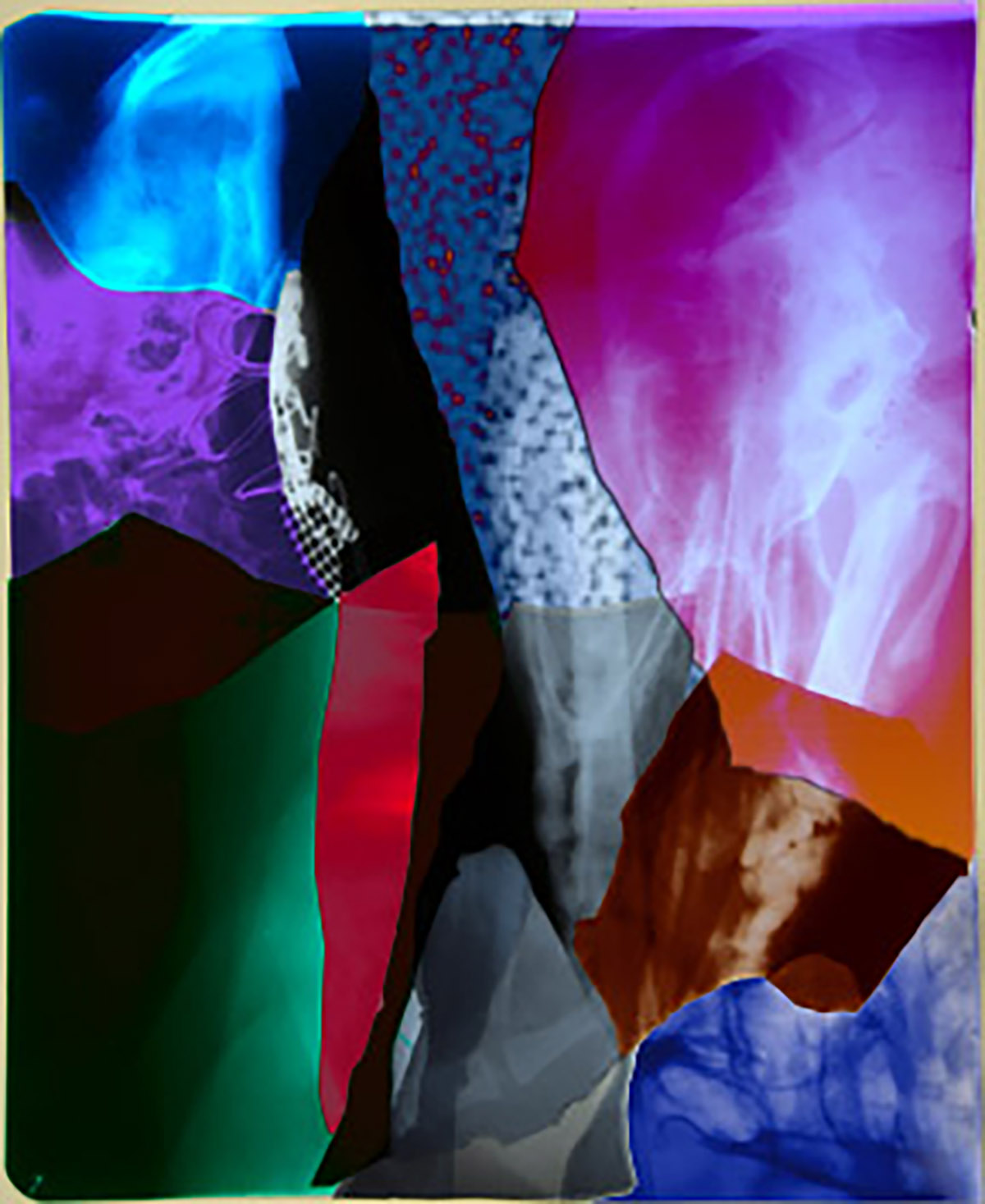
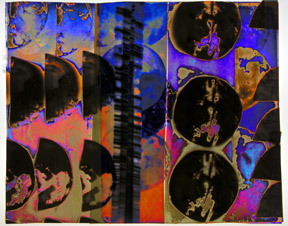
Animal X-rays, human X-rays, mammograms, and ultrasound radiographs as well as DNA sequencing gels and radiographs of cells growing in Petri dishes augment the artist’s materials that I use to create brightly colored digitalized giclee prints.
Ripped and cut radiographic fragments of bones, organs and DNA research studies are reorganized, and then pasted into collages. These X-ray collages are photographed on light boxes to accentuate their transparency. Next, the photographs are digitally manipulated. Sometimes compositions are computer enhanced by changing the scale of existing imagery, or by drawing new imagery into the composition. Subsequently, colors are digitally added.
The results of these endeavors produce brightly colored digitally printed collages. Their high intensity palette and unusual imagery suggest the work of Pop artists such as Warhol. Contemporaneously, their vibrant hues and images mimic the saturated colors in today’s fashion and commercial advertising industries.
I have deliberately preserved notations on the X-rays written by medical researchers. These recall the lettering on papier colles by Picasso and Gris, and written words on paintings by Miro and Basquiat. Like the work of these artists, the notations on my X-ray collage prints make associations with people, places, and atmospheres. These writings simultaneously emphasize the flat surface of the printed image. Ultimately, I have combined time honored techniques such as collage, drawing, and printing with the newest advances in computer technology to compose and print my X-ray collages.
I also find these images rich in metaphorical connections. X-rays modulate from opaque to transparent, darkness to light. They address the human’s relationship to animals by comparing their skeletal similarities. X-rays also serve as metaphors for the human condition. Furthermore, they investigate the interior body synecdochically, and imply a mental and spiritual life.
Of course, there may be other artists, unknown to me, who use X-rays in their artwork. As far as know, I am the only artist who has created multiple series of artworks using X-rays. Two anonymous X-rays, dated 1910 and 1917, are in MOMA’s photography collection. Man Ray’s Rayograms from the 1920’s could be considered precursors to my work. A few well-known artists include a single X-ray image in their portfolios: Robert Rauschenberg’s Booster was made in 1969; Meret Oppenheim’s X-ray of M.O.’S Skull is dated 1964; Annie Leibowitz’s MRI of Laurie Anderson is dated 1994. I am aware that lesser known artists have printed X-rays of flowers.
After using X-rays in my artwork for over twenty years, I remain intrigued by their innate, mysterious beauty: luscious light to dark value changes and contrasts; illuminated transparent sections transition to opaque ones; an artist’s potential vocabulary of curiously shaped bones and organs. Neither fish nor fowl, my boldly colored giclee prints of X-ray collages may not be conventionally beautiful. Nor do they do not meet the standard categorizations of photography such as portraiture, documentary, or landscape. However, they do bridge an Art/Science time continuum: they bring together a discovery of the X-ray from the 1898 realm of science and medicine into the 2008 realm of contemporary art. They fit into the current art world of fluid stylistic boundaries and appropriated materials. Whatever their genre, I believe these images are unique and beautiful.
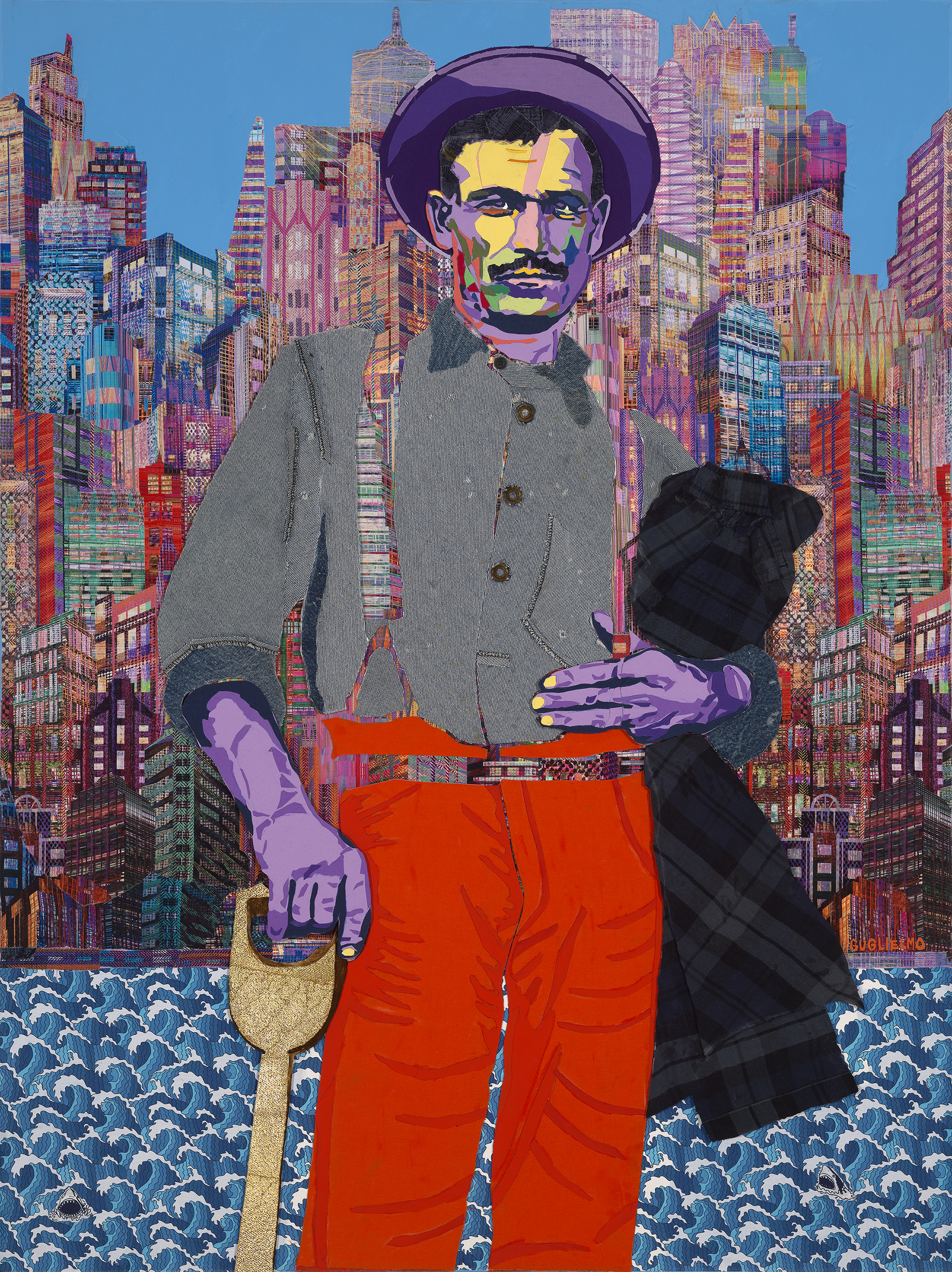
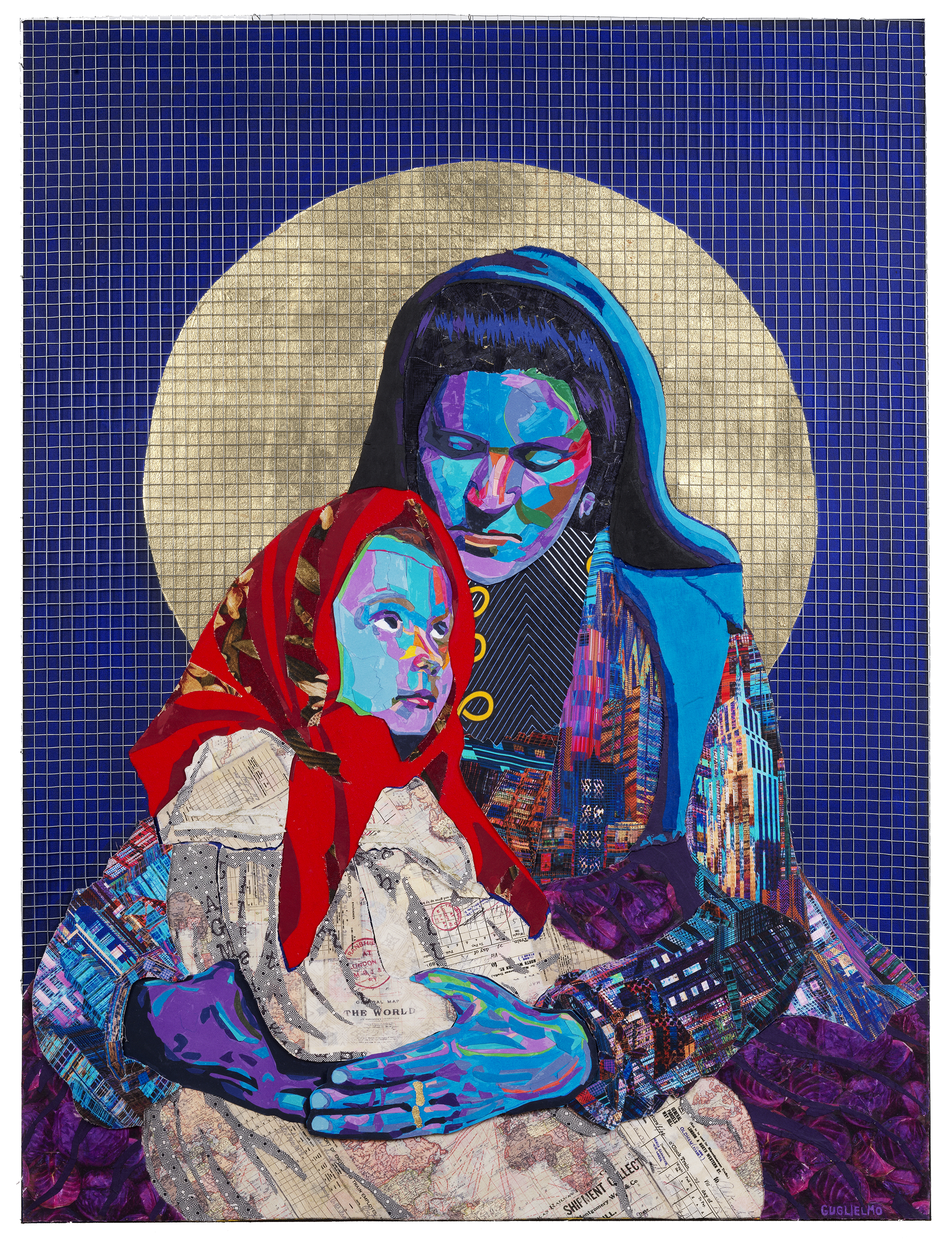
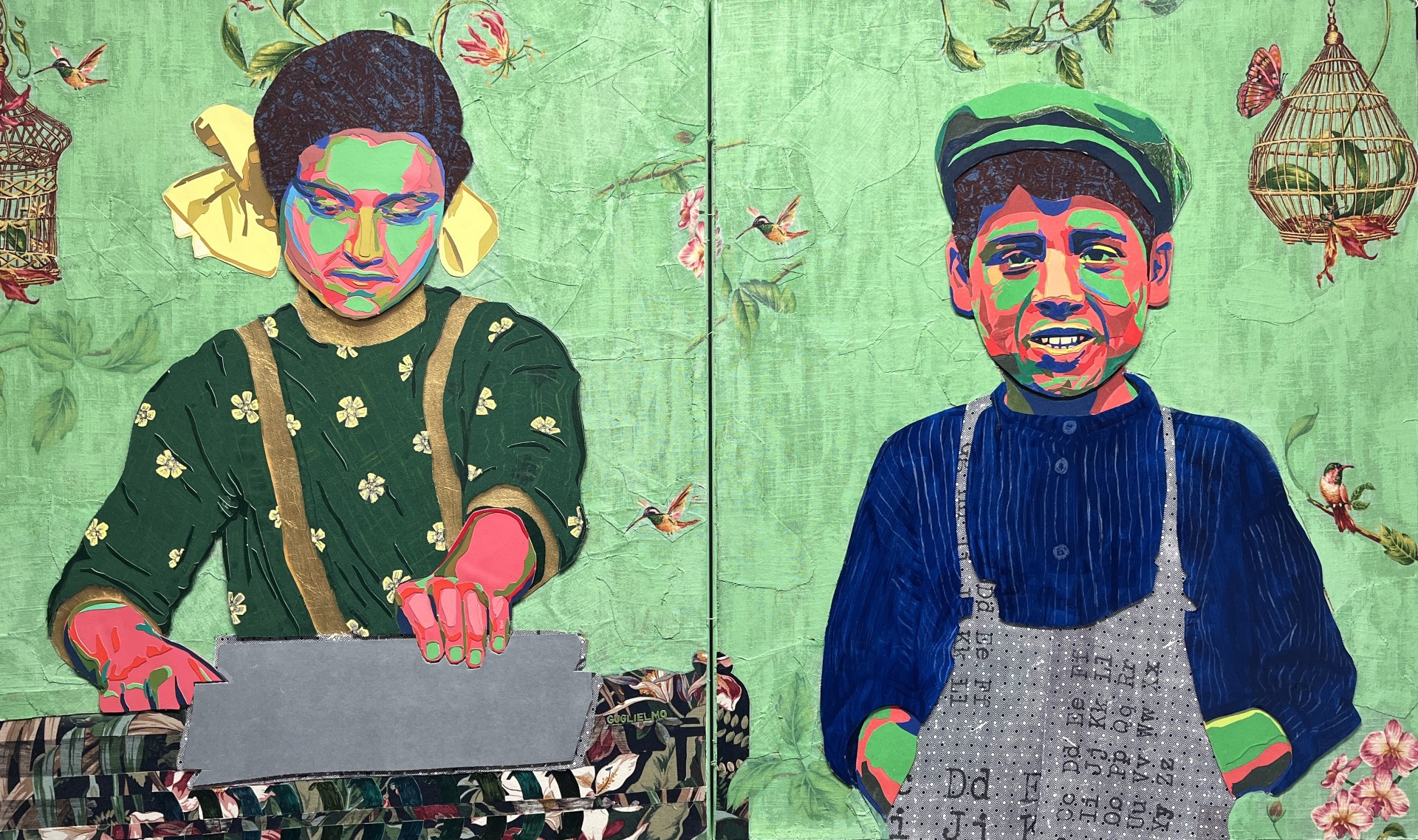
Through sight, sound, and story, I explore figurative work at the intersection of Western art, current events, and social history to examine issues of race, class, immigration, and power. Blending mixed media, I make life-size deconstructed portraits to peel back the layers and get to the core of the human condition. Audio and video recordings augment the sensory experience. Themes of memory, identity, and belonging permeate my oeuvre. Collage, with its infinite cut and paste options, is central to my practice and the bridge between my art and music. For years, I employed similar techniques producing hip-hop when I’d sample, truncate, and reconfigure existing sounds into new compositions.
Expanding on my series in Cuba and Sicily, my current project examines the mounting costs Italian immigrants and their offspring have paid to access whiteness and “succeed” in America, drawing on James Baldwin’s piercing commentaries on race. Overlapping, fragmented surfaces mimic the shifting identities Southern Italians have embodied since arriving in the United States as expendable labor, from demonized dark-skinned “other” to violent defenders of whiteness, and everything in-between. Using bright, intense color, gold leaf, cut-up paper, rich fabric, oil, and acrylic paint, I excavate the essence of a disappearing culture, still virtually invisible in fine art, to map our transformation and reveal the underlying systems, factors, decisions, and events that led to its demise.
Race, with its attendant ideas about color mixing, color purity (the “one drop” rule, etc.), and other skin pigment-related myths, offers a complex motif to examine American society through paint. Eschewing biological skin tones, I use unmixed color as a rhetorical device to critique race and to assert that we are indeed a colorful people. At a moment when critical race theory and the truth of US history are being banned in schools by Florida Governor Ron DeSantis, himself an Italian American, my work creates a welcoming yet provocative space for the ongoing discussions about structural racism currently reshaping the art world. Here, I engage Italian American identity as a key entry point to understanding race-making in the United States. My aim is to honor my ancestors and my culture while sparking greater awareness and deeper conversations about some of the most salient issues of our time. For, as Baldwin once wrote, “Not everything that is faced can be changed, but nothing can be changed until it is faced.”
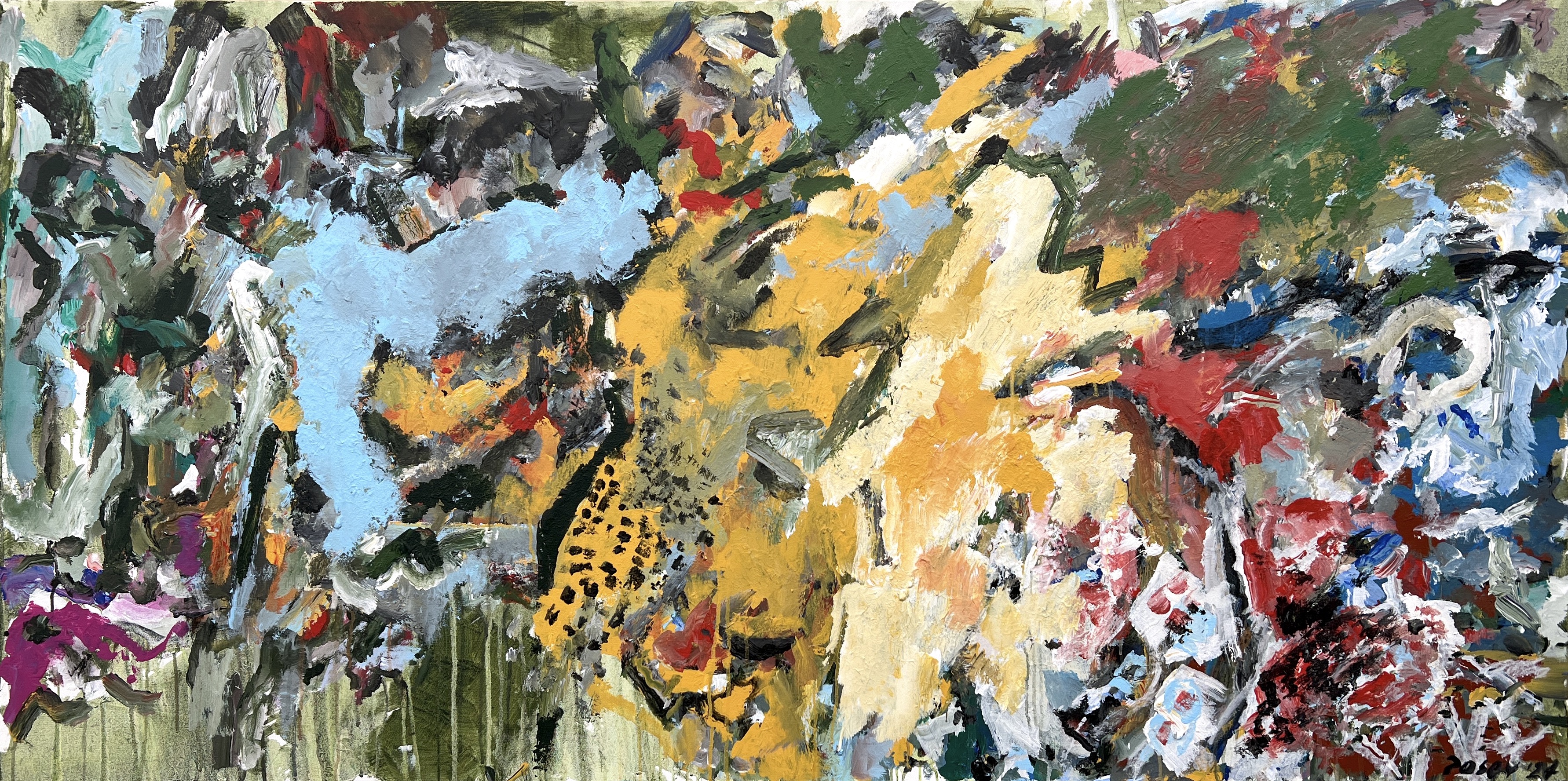
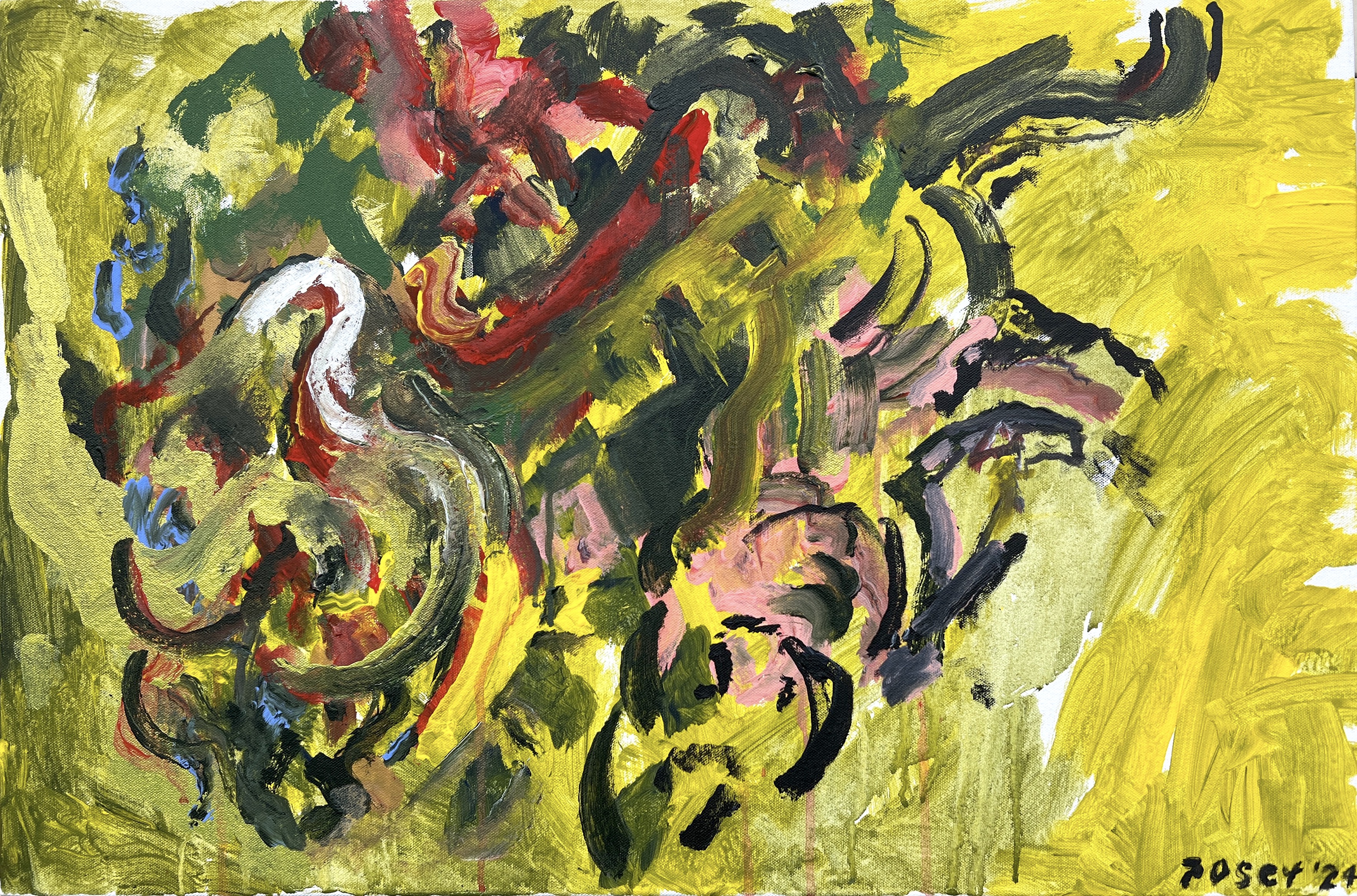
Sam Posey
Racing and painting – I’ve done both for most of my life, switching from the quiet of the studio to the violence of being in the car – and I have seen that in spite of their obvious differences, they share some striking similarities.
These start with what I call power without effort. With the slightest pressure on a car’s accelerator, you leap forward, and the next thing you know you’re doing 80, all with that slight movement of your foot; brush strokes on a canvas can produce a painting that unleashes emotional forces that could resonate through generations.
Napoleon once said that all battle plans go out the window when the first shot is fired. You still have to make those plans, but then you have to be ready to adjust. In racing, you go into a turn with an idea of how you’re going to take it. Then you feel what the car is doing and react. The initial idea is conscious; most of the reactions are intuitive. I also approach a painting, by and large, with a plan. But each stroke creates a ripple of effects that I then react to, often intuitively. When you’re driving or painting well, you experience a harmony between planning and instinct, between conscious and unconscious thought. Great drivers are particularly adept at balancing these two functions – say in the frantic first lap of the race – and so are great artists. Athletes call it being in the zone, and it is no less exhilarating in art than in sports. As the artist Roy Lichtenstein said, “When our ability exceeds our awareness, that’s when we do great things.”
In racing, you either win or lose, with no gray area in between. In painting, success is more subjective – the verdict a kind of collective consensus that emerges over time. But I won’t believe painting is less competitive. I’ve had the chance to meet a few great artists through the years, and they were as competitive if not more so than the top drivers I knew. Put a dozen paintings on a wall, and invariably, one will be more compelling than others. Since paintings last, you have to compete not only with your contemporaries but with all those who came before you, and all those to come.
I’m now 80 years old, and driving is harder. But I can still make paintings. And when I’m in the studio, I can feel a connection to the racer I’ve been.
John Simboli artist’s statement: A Sense of Light
As several essays about photography have noted, one of the ways in which photography differs from other art forms is in the “all-at-once-ness” of the photographic process. While the contemporary photographer is free to create layer upon layer of images to build up a visual statement, my photographs in A Sense of Light work are an all-at-once documentation of that moment when my eye-brain comes face-to-face with fleeting patterns of light and shadow.
The words of artist Laszlo Moholy-Nagy describe this kind of interaction with light. He writes, “The magic possibility of framing a certain space
and time is what brought me to photography. This process of recording elements of three dimensions in the flow of time, and fixing them in a
two-dimensional image, creates a new context for the elements of the photograph…”
In A Sense of Light, I work within the etymology of the word “photography,” meaning “drawing with light.” For the viewer of my photographs, there
is on-going interaction with light/space/time in the way I experience it
when making the image—only a drawing with light that is frozen in time
and space.
In these photographs, light does not illuminate an object; light is, itself, the object.The photograph is a two-dimensional record of light, color and abstract shape which functions not as a mirror of the world I see, but as a passport to experience. Each photograph becomes a place where viewers are free to draw from their experiences to create their own world of beauty, fiction or truth when connected to the physical quality of light I’ve shared.
LAURA J. STEIN
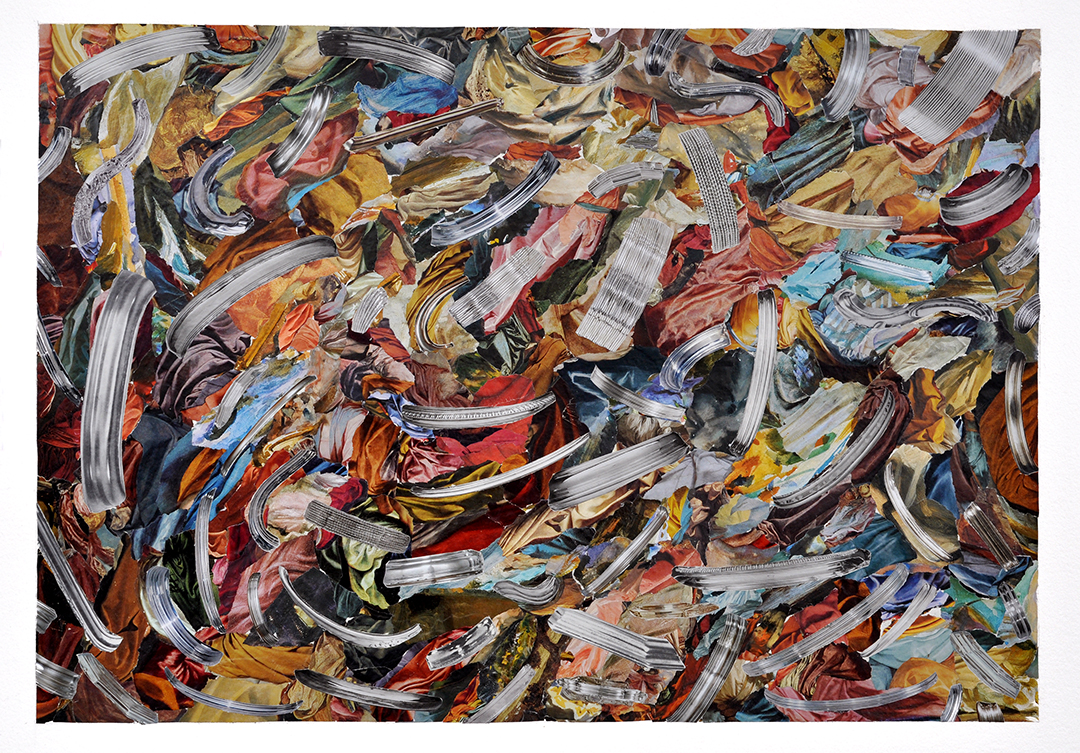
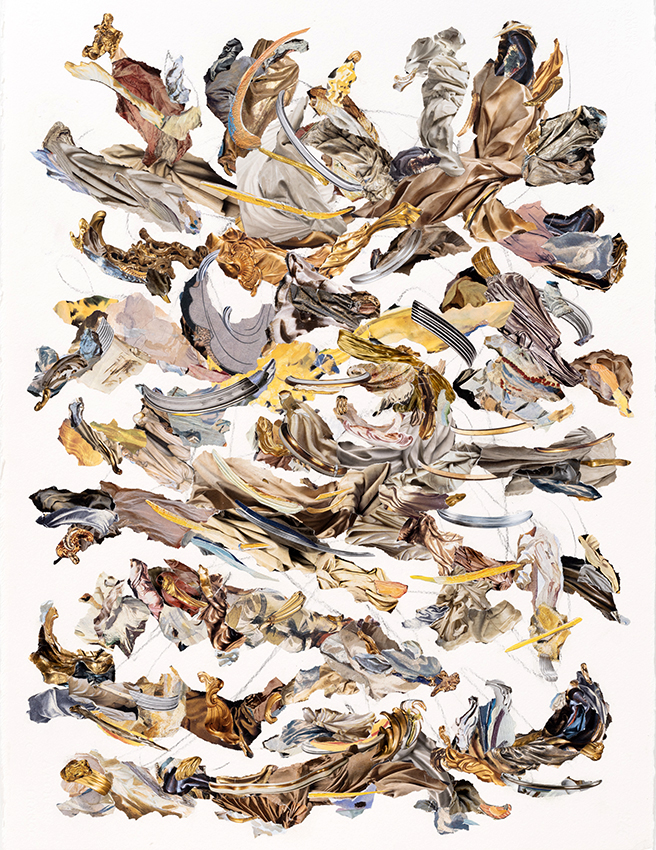
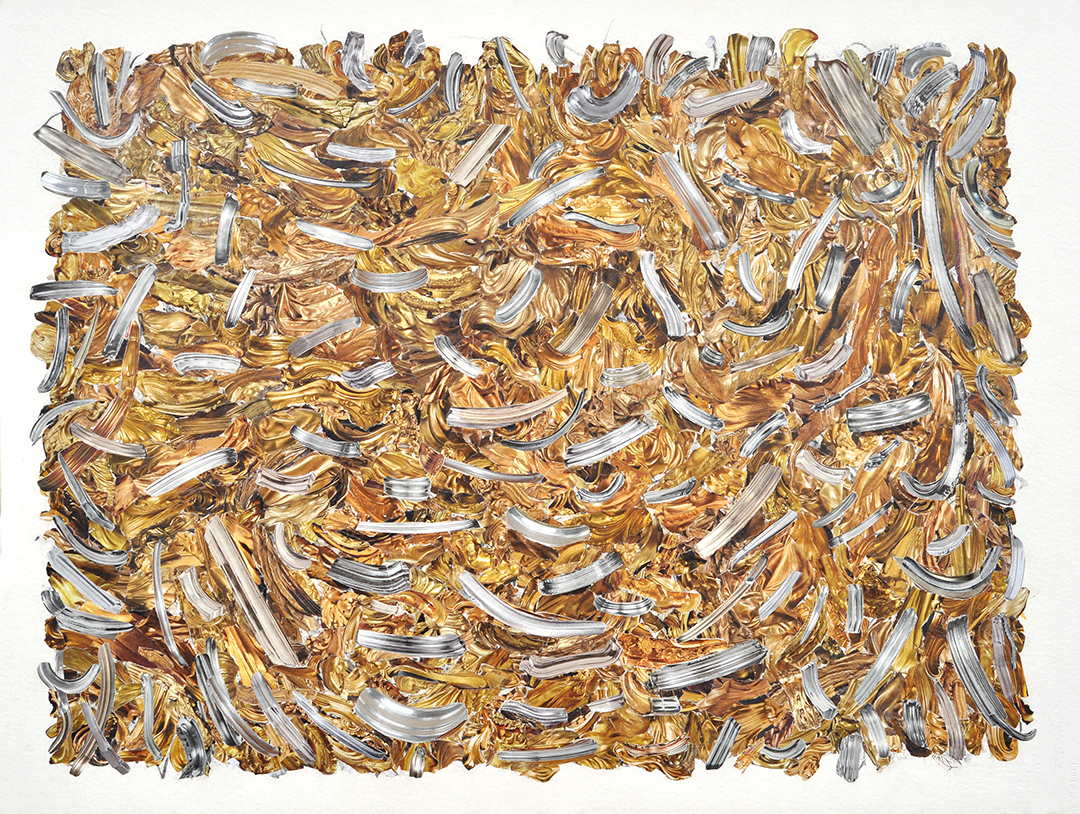
Painting with oils or acrylics was always my preferred means of expression. At a certain point, I lacked the space to paint, and switched to pencil and paper. I liked the confinement of drawing with ebony pencils on white paper, and found inspiration from the photographic compositions of Walker Evans. Later on, sparked by the work of Joseph Cornell, I began collecting printed media to use in my work.
At first, I pasted down images of objects and faces.Then I felt the need to express more immediacy and action in my work. I became drawn to the Abstract Expressionists, such as Jackson Pollock and John Chamberlain. I began to tear up the images, and discovered that each bit of paper contained its own light and dark as if it was a brushstroke of wet paint. In effect, I was turning a solid bit of paper into a liquid stroke.
I have piles of these brushstrokes in my studio. I fashion them from auction catalogs filled with silver and gold objects, porcelain, and jewelry. I use reproductions of paintings and sculptures, and glean brushstrokes from Sargent’s watercolors or from works of the old masters. I cut, tear, paste, and inlay new strokes and form rearrangements of these elements, remaking them into something that is meaningful to me in the moment.
Lydia Viscardi
Artist Statement for Time Takes Time
“We have outsmarted ourselves like greedy monkeys, and now we are full of dread.” -Peter Mathieson, “The Snow Leopard”
“I go and lie down where the wood drake rests in his beauty on the water, and the great heron feeds. I come into the peace of wild things…
-Wendell Berry, “The Peace of Wild Things”
Time Takes Time is a body of mixed media work about the passage of time experienced through observing the changing seasons and the tense relationship that exists between human and animal habitation. Pollution, overpopulation and unabated development for housing, industry and agriculture have led to a reduction of native species habitat. Add to this overhunting and overfishing, and wild animal populations have been drastically depleted globally.
The current climate crisis we are so late to finally face is caused by our human excess. The world we have created in our image disregards the connectivity of all earths’ creatures.
The balance between humans and animals appears less off kilter living here in semi-rural suburban Connecticut with wild animals in proximity. While the shift may seem subtle, year after year, as time passes and wild places are developed, more and more species become a distant memory.