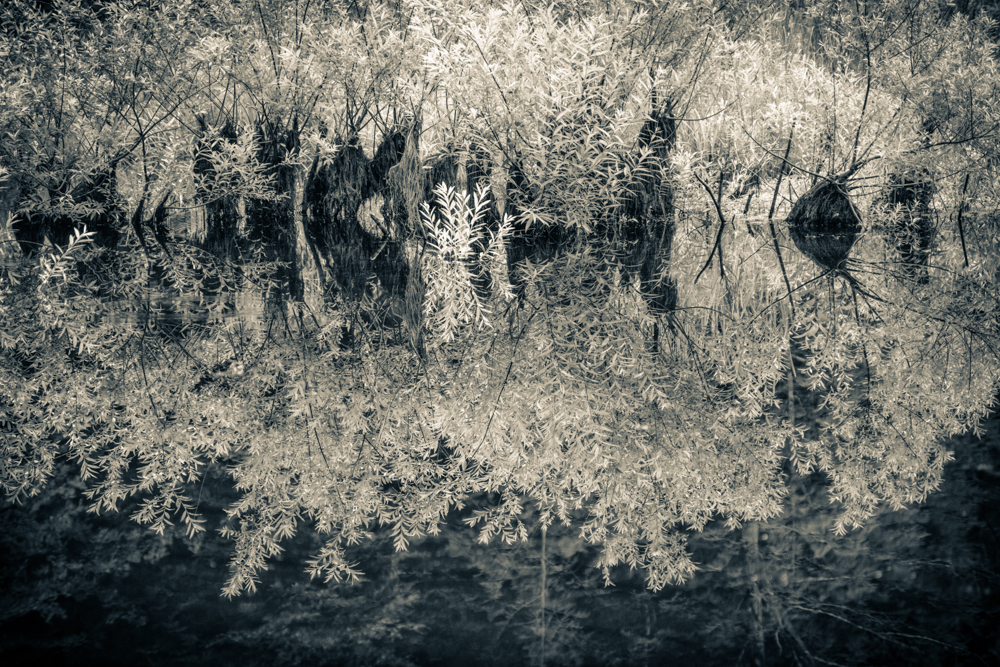
Having transitioned to fine art photography from a 40-year career in biomedical research, I have come to realize that I approach photography exactly the way I approached my scientific work. Yes, science is art, and art requires technical excellence. Photography provides the most important elements that stimulated me in my previous career – exploration, discovery, imagination, and creativity – only the subject matter, tools, and location have changed. Like my work in science, I am motivated to share my work and vision with others. Over time, I have become more of an image maker than a straight photographer. My process begins with the discovery and exploration of a subject, and then moves on to an imagining of what the image could become. Using the raw image I experiment with light, contrast, color, sharpening, compositing, and editing – all processes which have become explorations in and of themselves.
My images are often inspired by elements of the landscape; I painted them as a teenager, encouraged by my artist mother. But now I see landscape as an invitation to the viewer to enter imaginary worlds, ones which may suggest past or future visions, offshoots of the moment that the shutter clicked. Abstract patterns on boat hulls (Waterline/Overboard) or dying agave fronds (Agave Night Visions/Agave Climate Change/Agaves in Turmoil) have suggested to me that imprints of surrounding vistas from the perspective of these inanimate surfaces are etched upon them. For instance, I imagine “what if” a withered agave frond were to record evidence on its surface of the climate change that has contributed to its demise as it folds to the ground. Once the idea is there, the more I look, the more I see patterns and colors that might constitute such evidence. My job is to bring a record of that insight to fruition. While it’s not my purpose to dwell on it here, developing a scientific idea to the point of publishing a research paper was a very similar process for me.
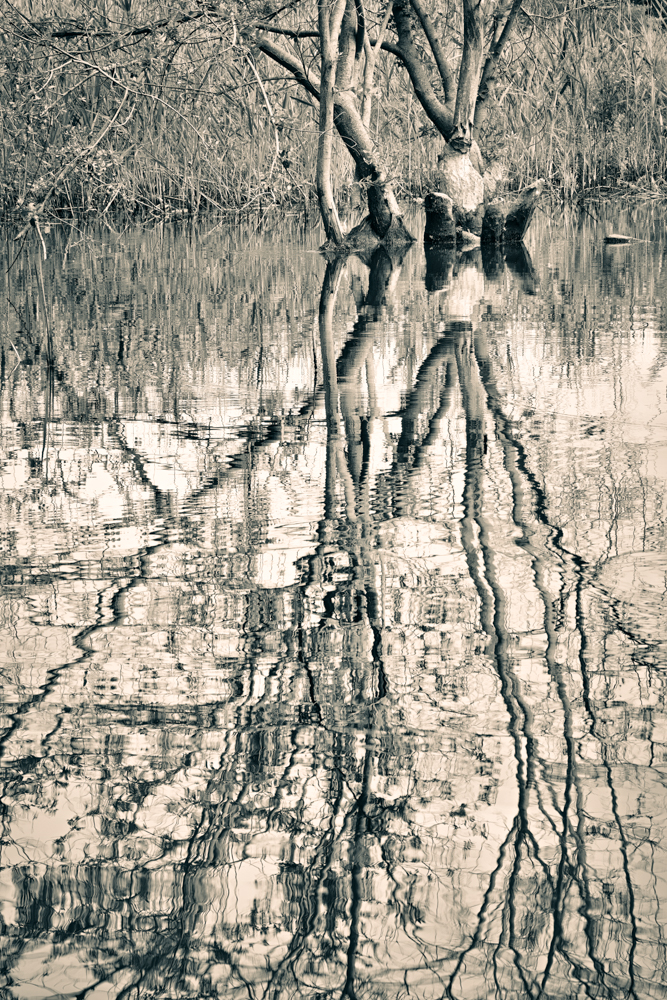
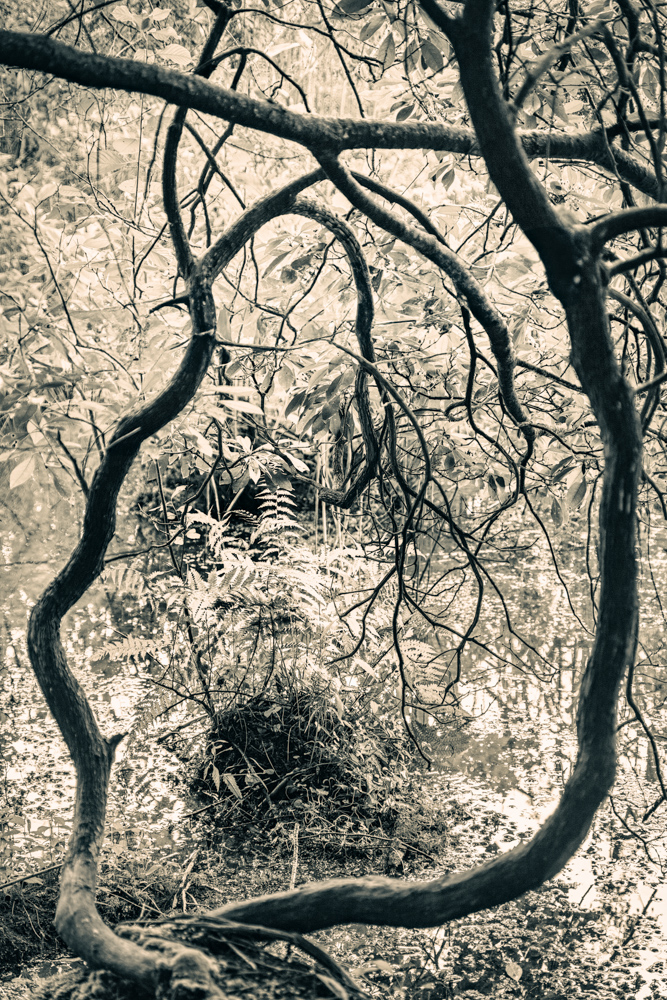
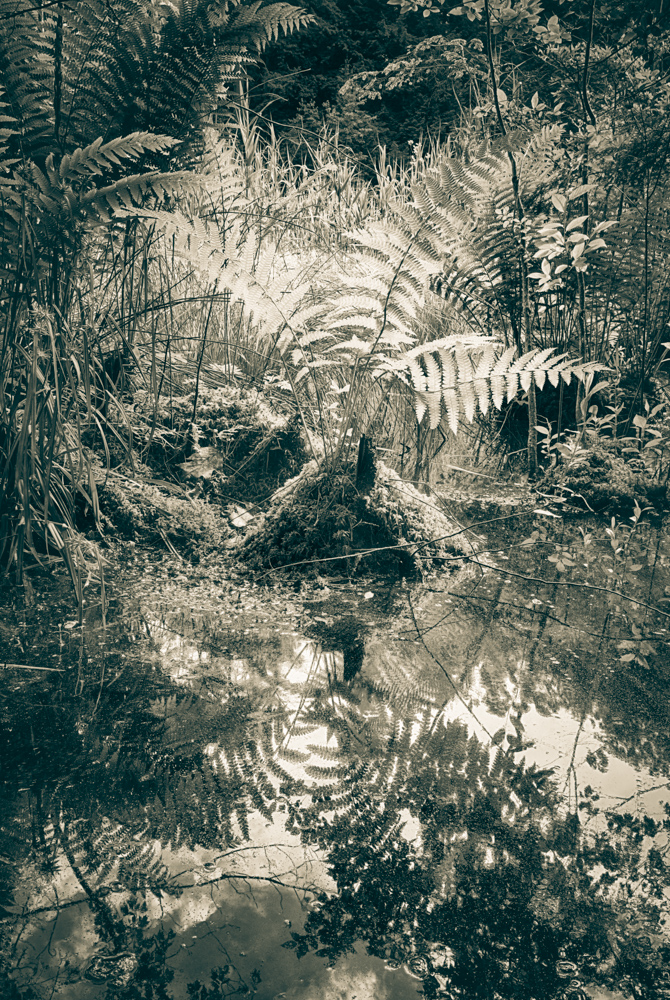
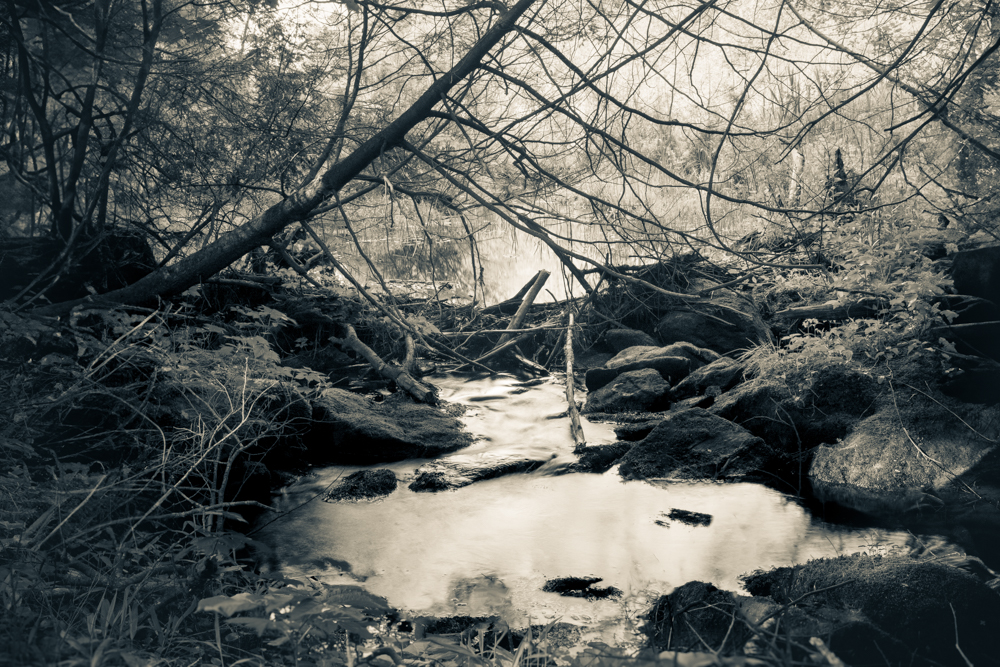
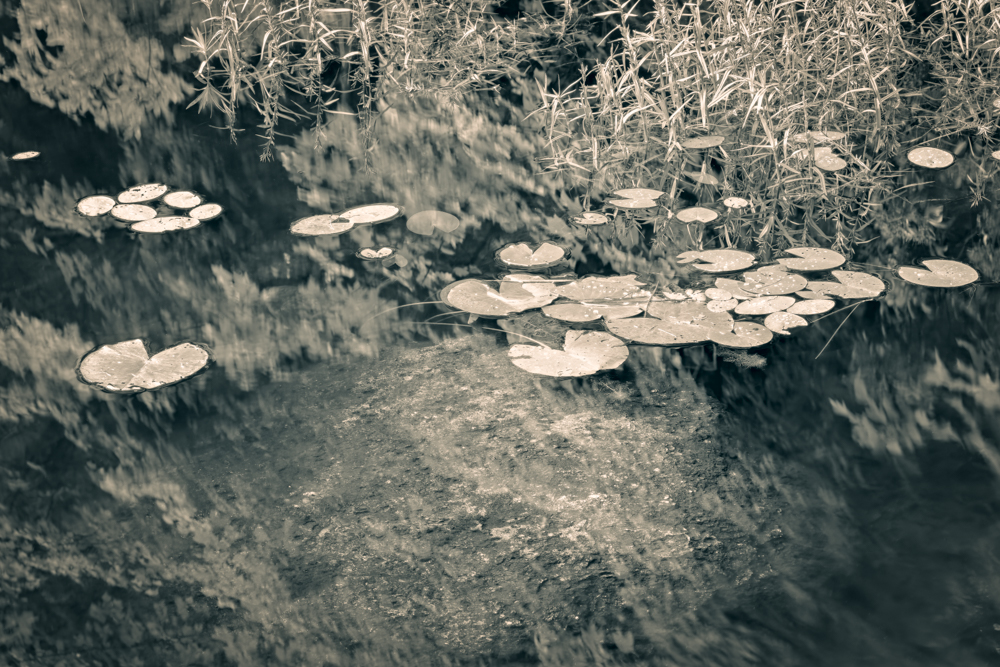
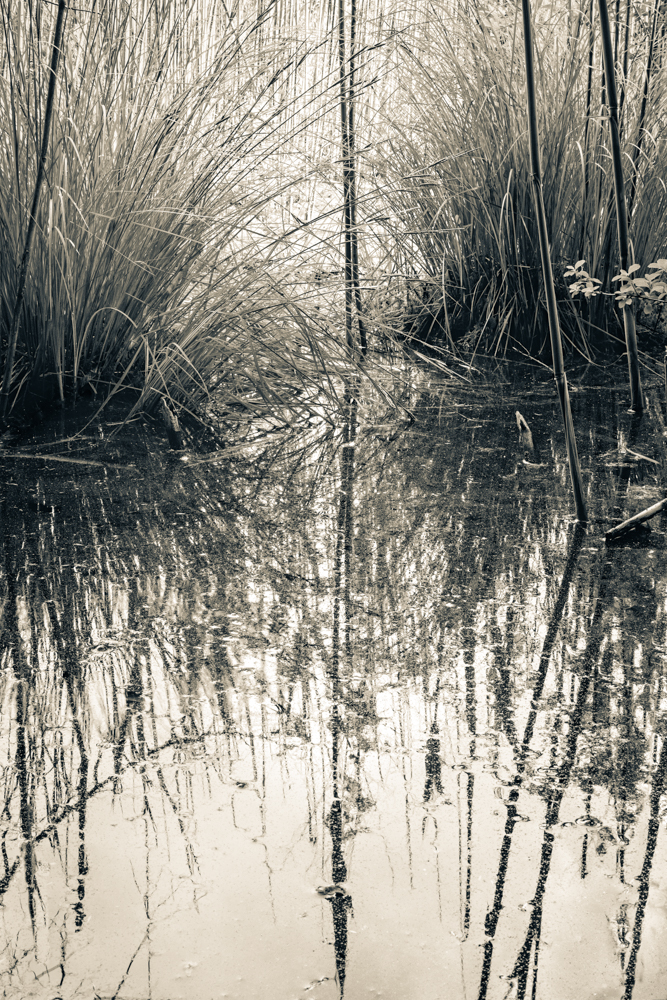
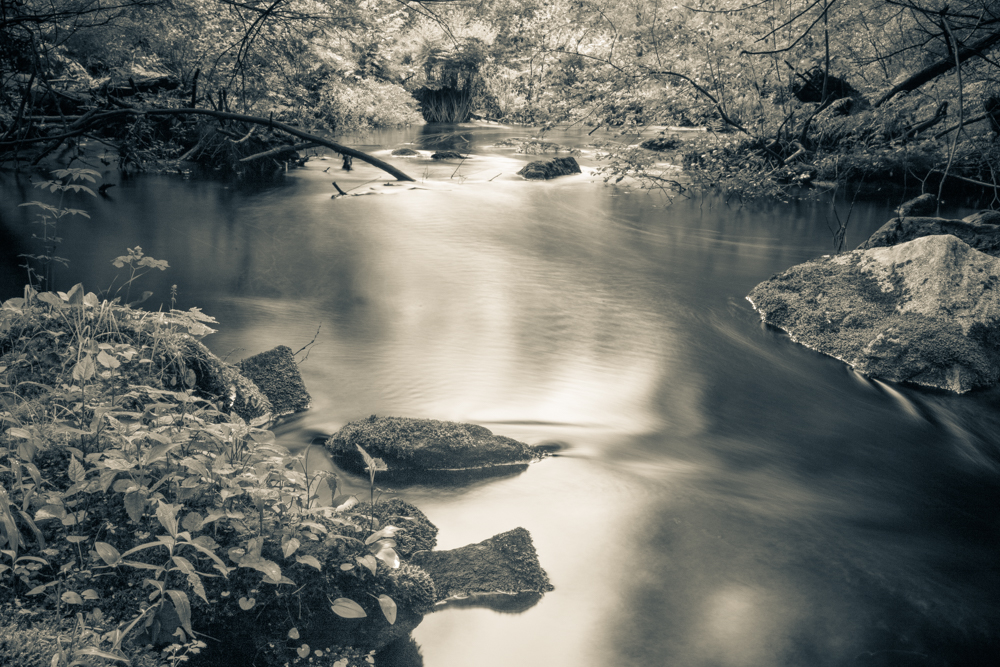
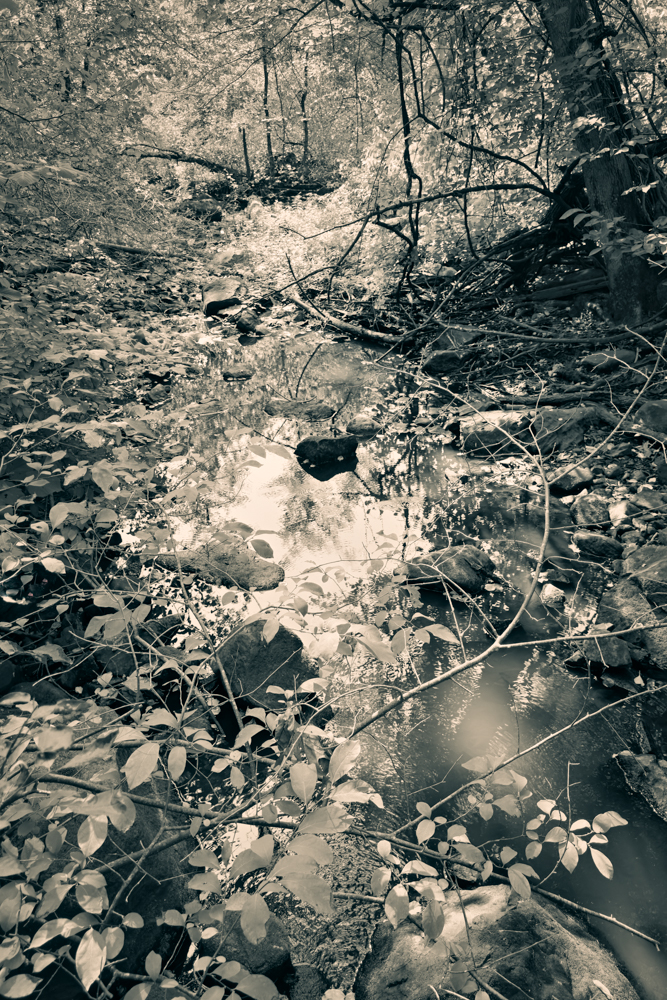
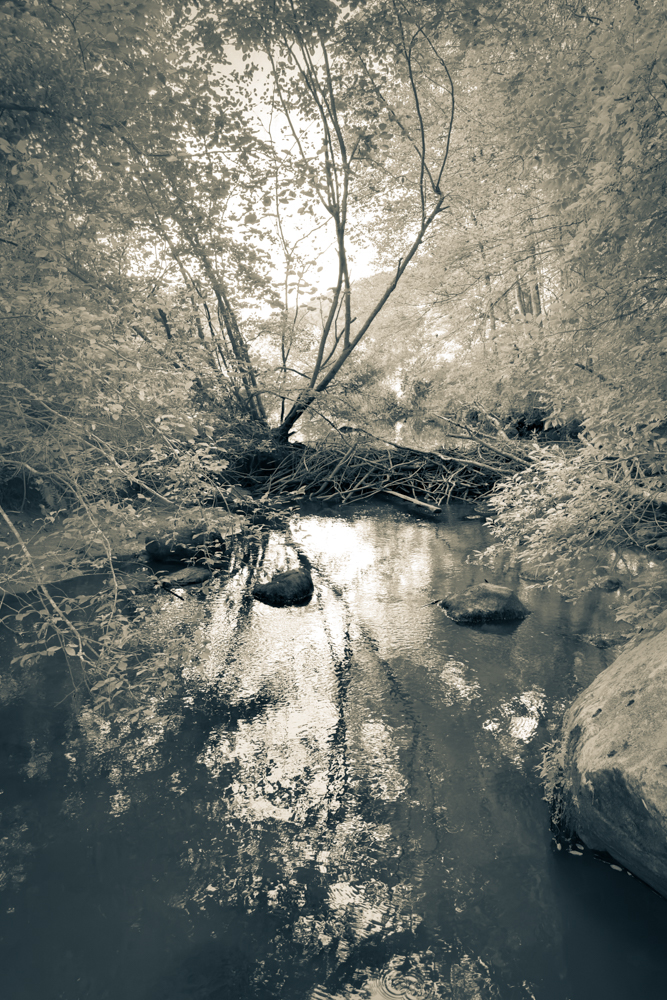
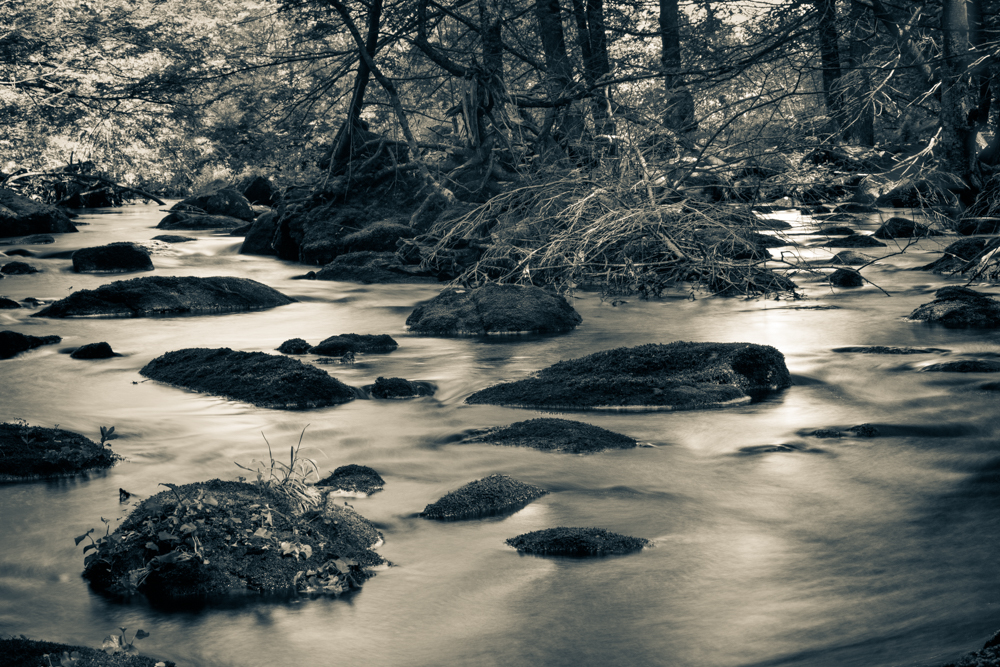
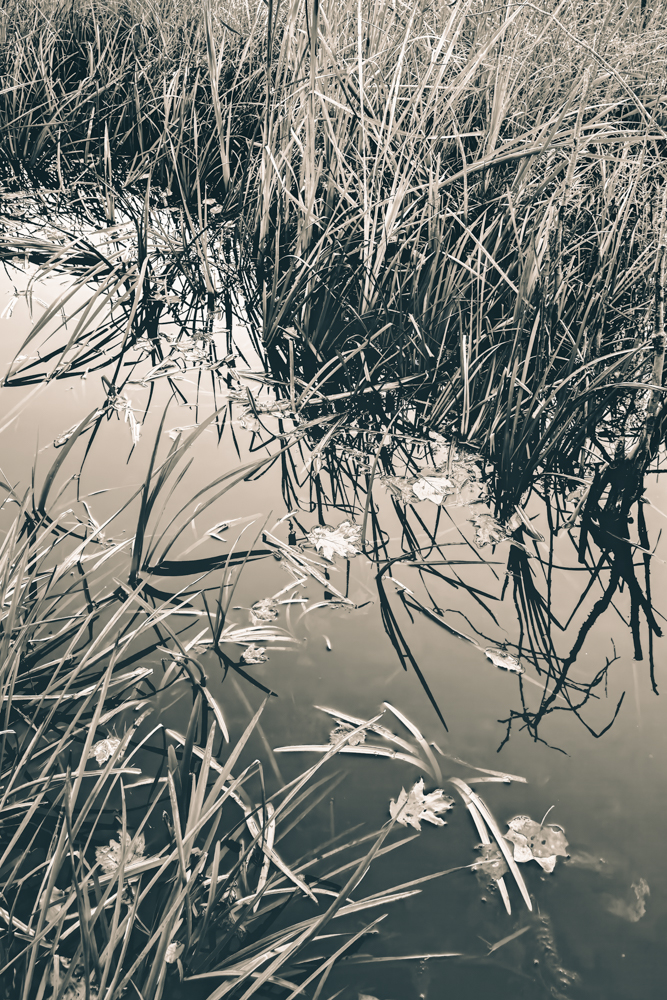
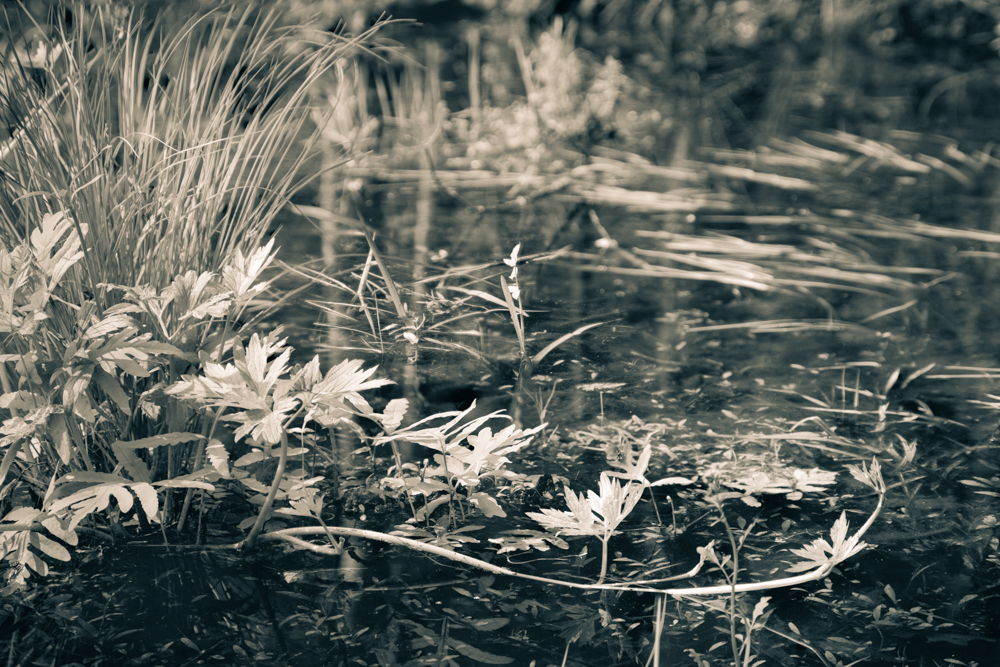
I have also used perspective and scale to magnify tree stumps into craggy cliffs (Moonlit, Moonlight Burning) and small waterfalls and streams into mountain cascades (Climate Falls, Planet Falls, Discovered Worlds). I pause at these natural wonders to make images of them in order to preserve their existence and enlarge their importance as records of what natural beauty can be. Here I wish to set apart their beauty from threats of climate change by keeping their settings pristine, their surroundings otherworldly, their scale majestic. The advantage of art is to be able to recapitulate reality, allowing the imagination to take one to new places. As I have unbound myself from representing reality, I have freely expanded the time of the image far beyond the duration of one shutter click. For instance, the images in Fearsome Beauty are composites of 40-60 images taken from different perspectives and sometimes on different days. Similarly, in World Views, I have emphasized the importance of climate change, by taking a truly global perspective on the future health of even the smallest natural niche. In Silver Light I have made images of the threatened ecosystem in beaver bogs, and to reflect the fragility of that environment, printed the images on vellum backed by silver metal leaf.