September 25 – November 7, 2026
Opening Reception: Friday, September 25, 6-8 PM
In-person Artist Talk: Friday, October 23, 6:30 PM
My practice investigates the invisible labor of women and their perceived domestic roles. Raised in rural Iowa, I was immersed in traditional domestic practices like cooking, gardening, and sewing from an early age. By blending these foundational experiences with my professional training in fashion design, my work offers a distinct perspective informed by the history of domestic science.
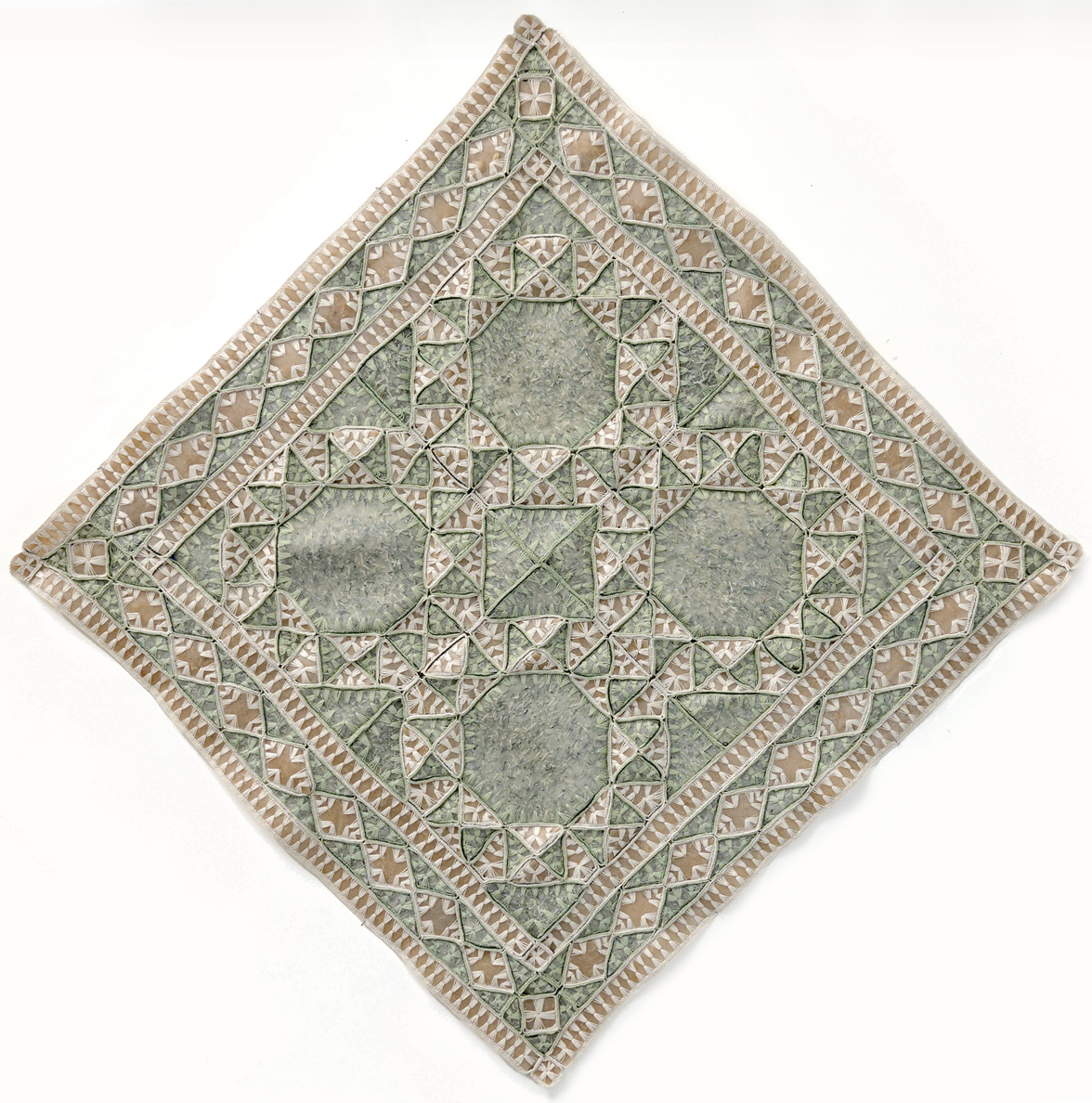
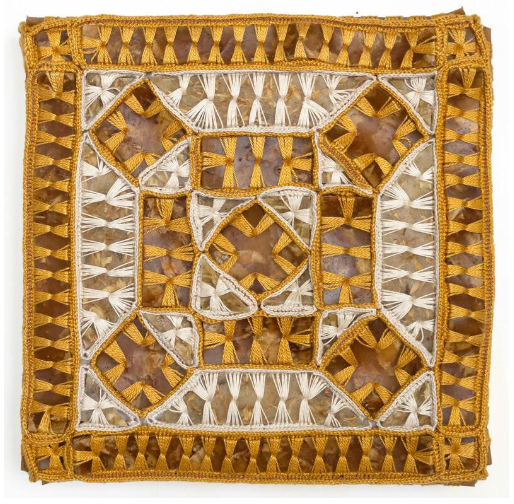
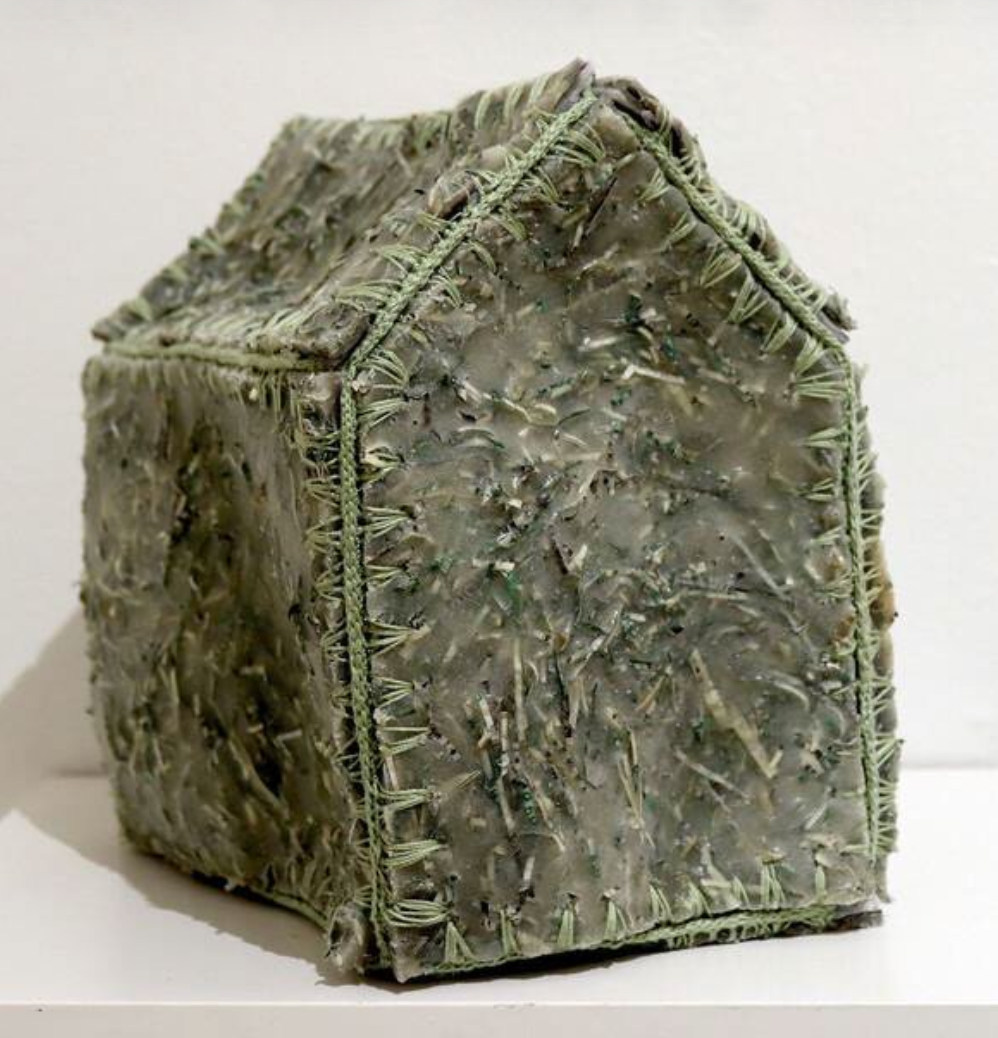
Reclaiming the chemistry and rigor behind domestic science, I use kitchen chemistry to cook all-natural bioplastics using starch, gelatin, and agar-agar. These materials function as domestic archives, encapsulating artifacts of personal and cultural significance like kitchen scraps, shredded U.S. currency, and flower petals embedded with meaning through Victorian floriography. Applying my fashion design background to these alternative textiles, I hand-stitch and crochet this bioplastic ‘leather’ into historic quilt blocks and sculptural objects to archive and reimagine the domestic sphere. The inherent biodegradability of these works introduces a critical tension: their physical survival relies entirely on the continuous care of a keeper. This deliberate fragility mirrors the demanding, ephemeral, and historically unpreserved reality of the invisible labor they critique.
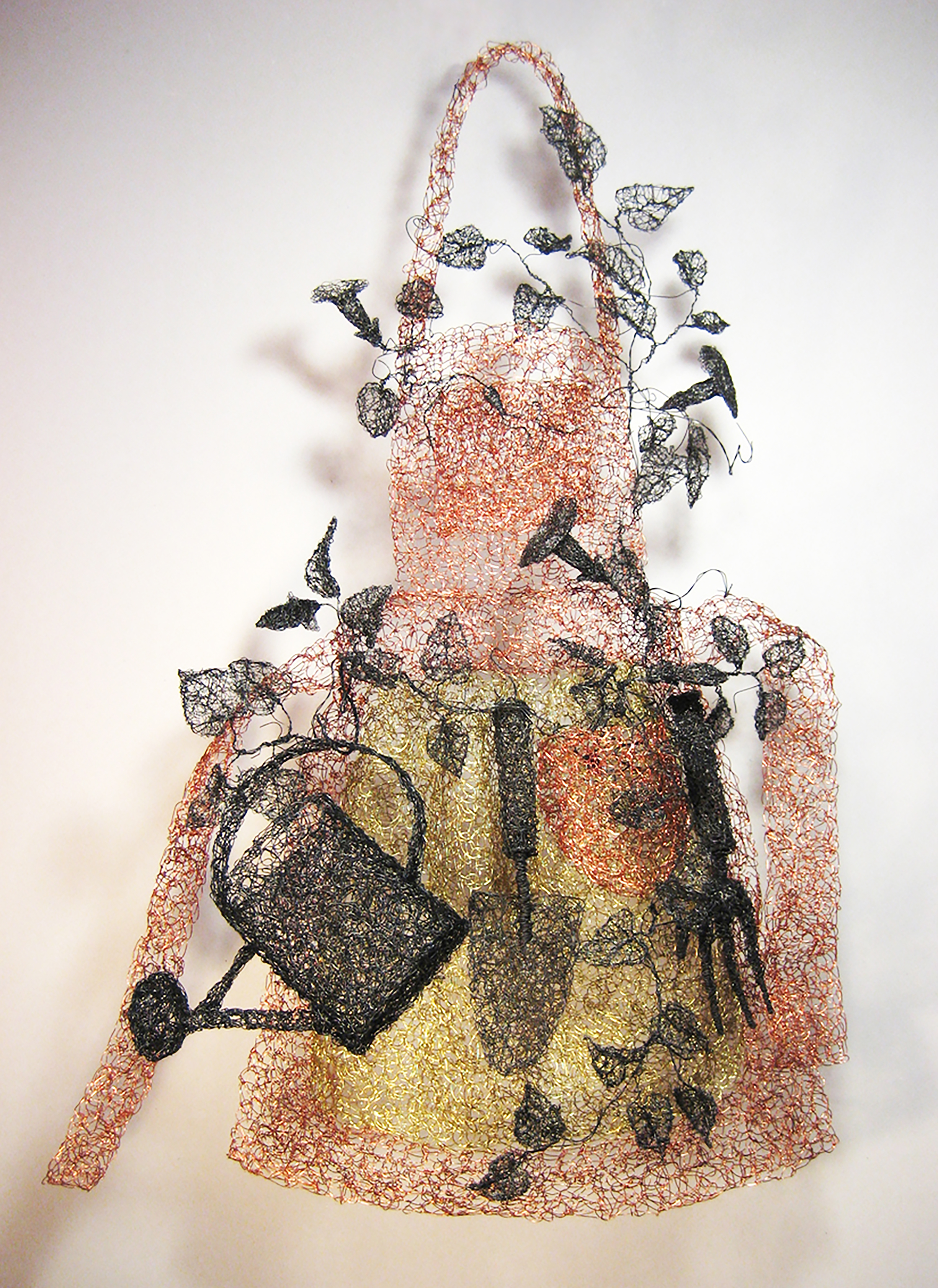
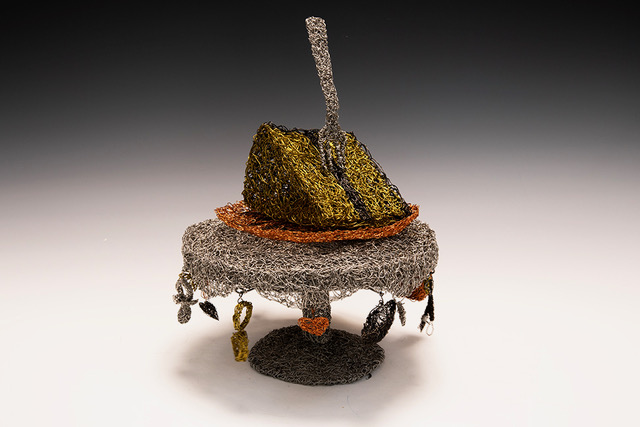
Guided and ignited by reverie, my work reconstructs, invents, and catalogues hopes, wishes, and fears for the future. On a personal level, my work centers around themes of family, as well as, on a global level, often addressing issues of justice and sustainability. The meditative act of twisting and waving wire into mundane objects allows each piece to evolve slowly to represent the profound realities and wonders of life.
Define “emerging”. Can one be an “emerging artist” if, after a lifetime of making but not showing, one finally decides to go public? That is where I am, 74, and finally coming out of my closet.
I look below the surfaces of things. My subjects are cells, roots, mycelia, deep ancestral histories and mythologies. I scavenge the detritus of the world everywhere I see it – complicated histories, family stories, streets, in the woods, on rocks and the beach, art of every time and every place for my images and my constructions. I shamelessly – or perhaps shamefully – appropriate what I see and use it, recombining and reusing, delving into questions of identity and purpose.
The waste of the world is both distressing and beautiful. I try to see the potential in whatever has been discarded or overlooked. The harm that humans do to each other and to the natural world does not feel reparable, but I want to call attention, to place myself in the middle of it as both perpetrator and beneficiary. Nothing is clear; all is nuance.
I reflect on the complex and nuanced challenges of our present moment. Is there something healing to be born from all this devastation and waste?
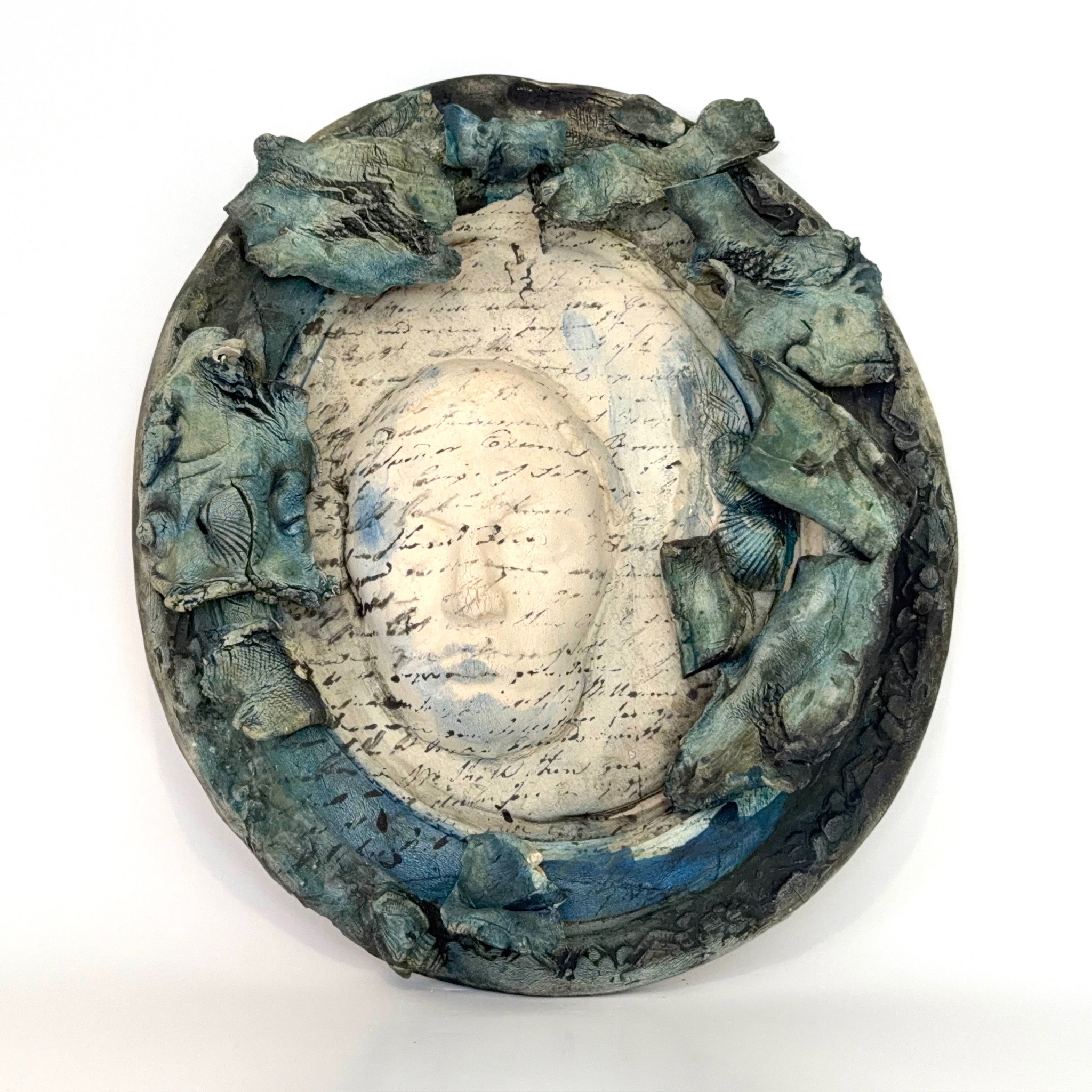
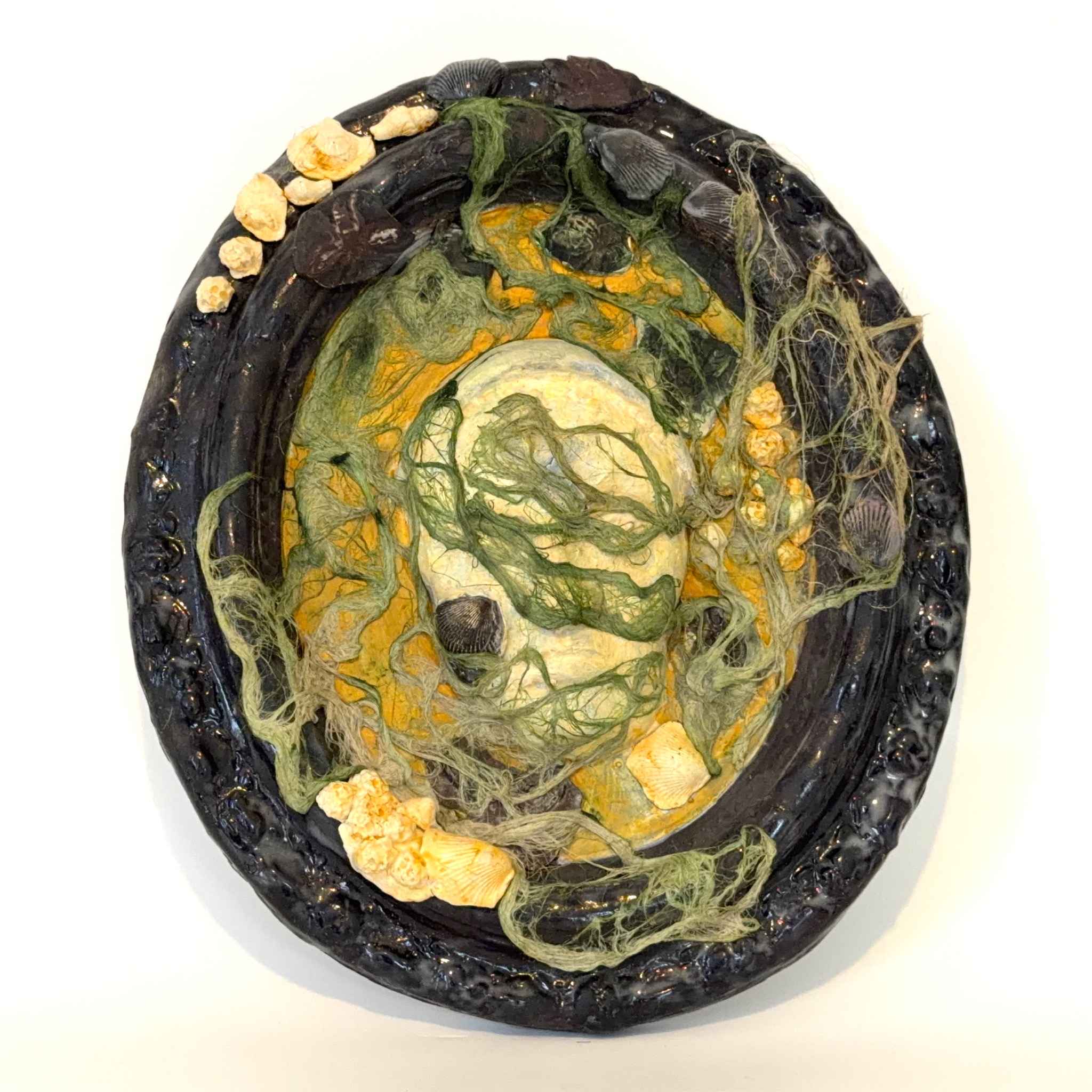
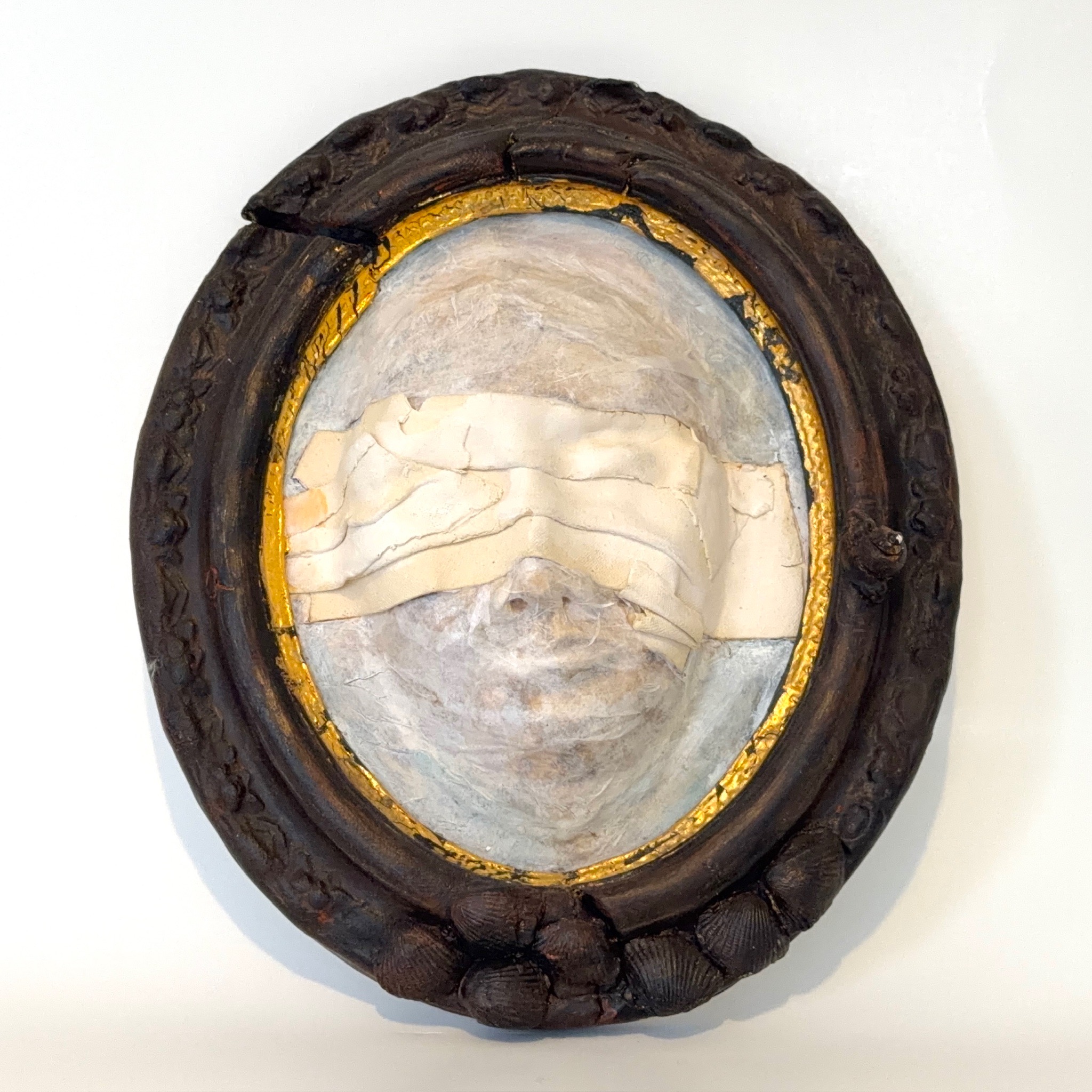
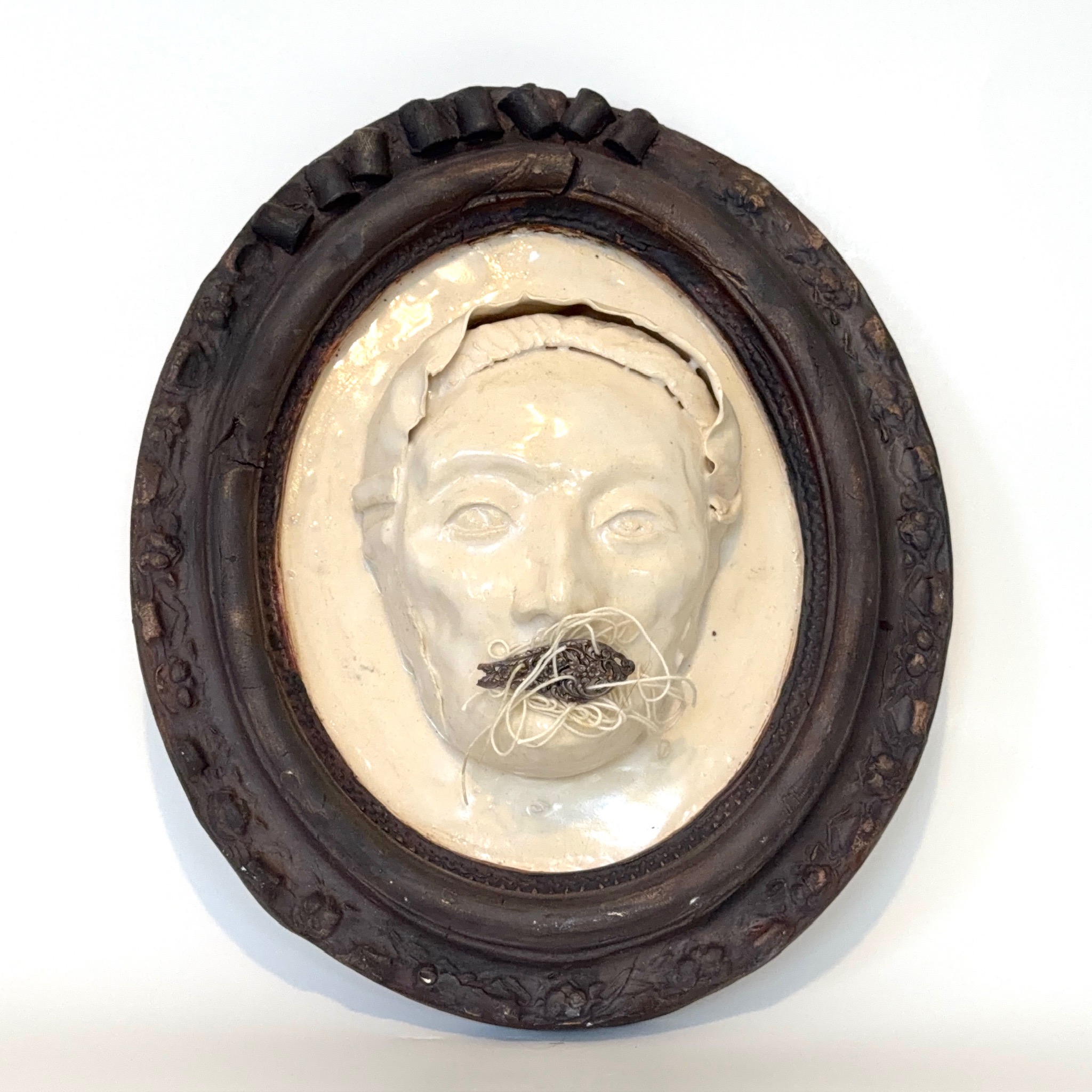
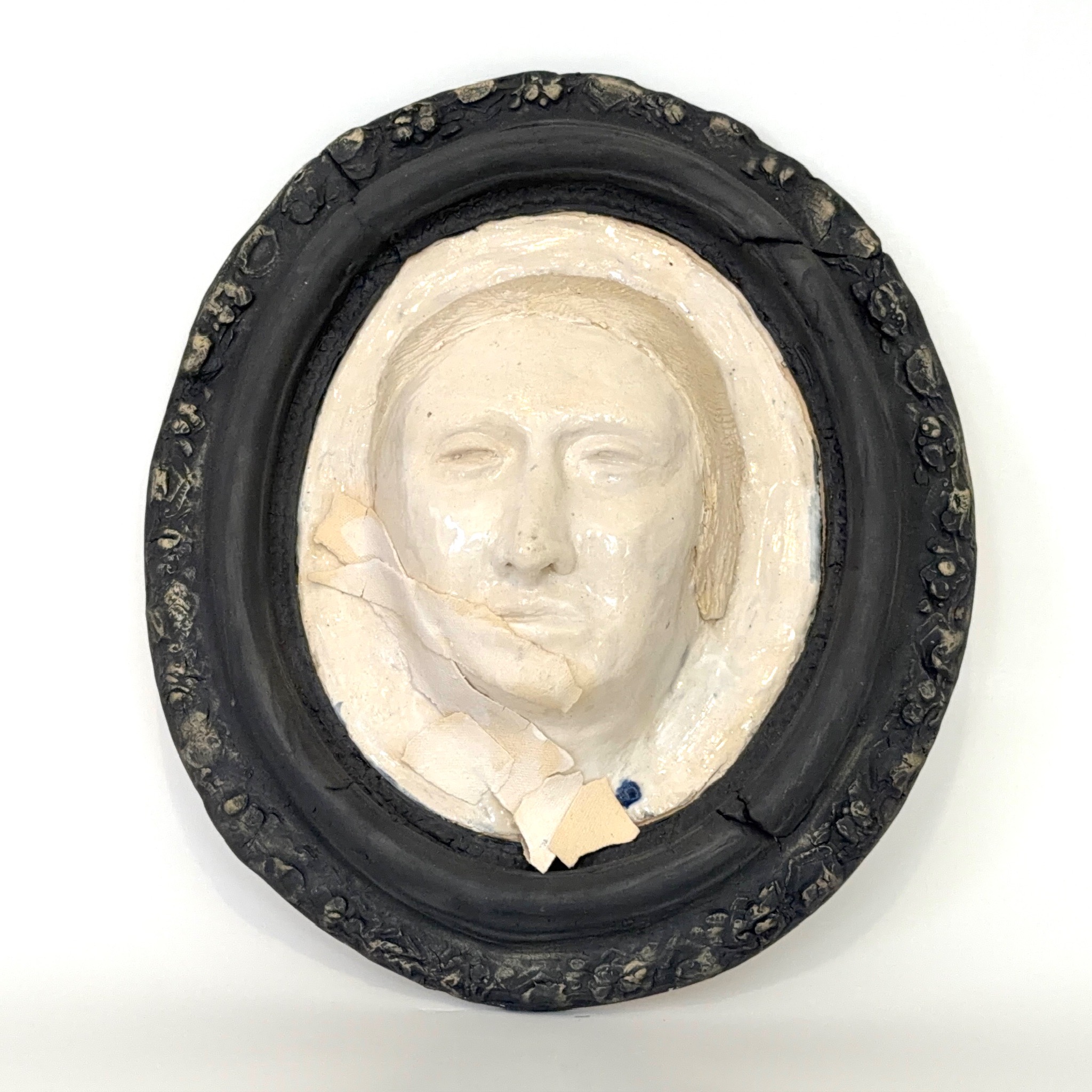
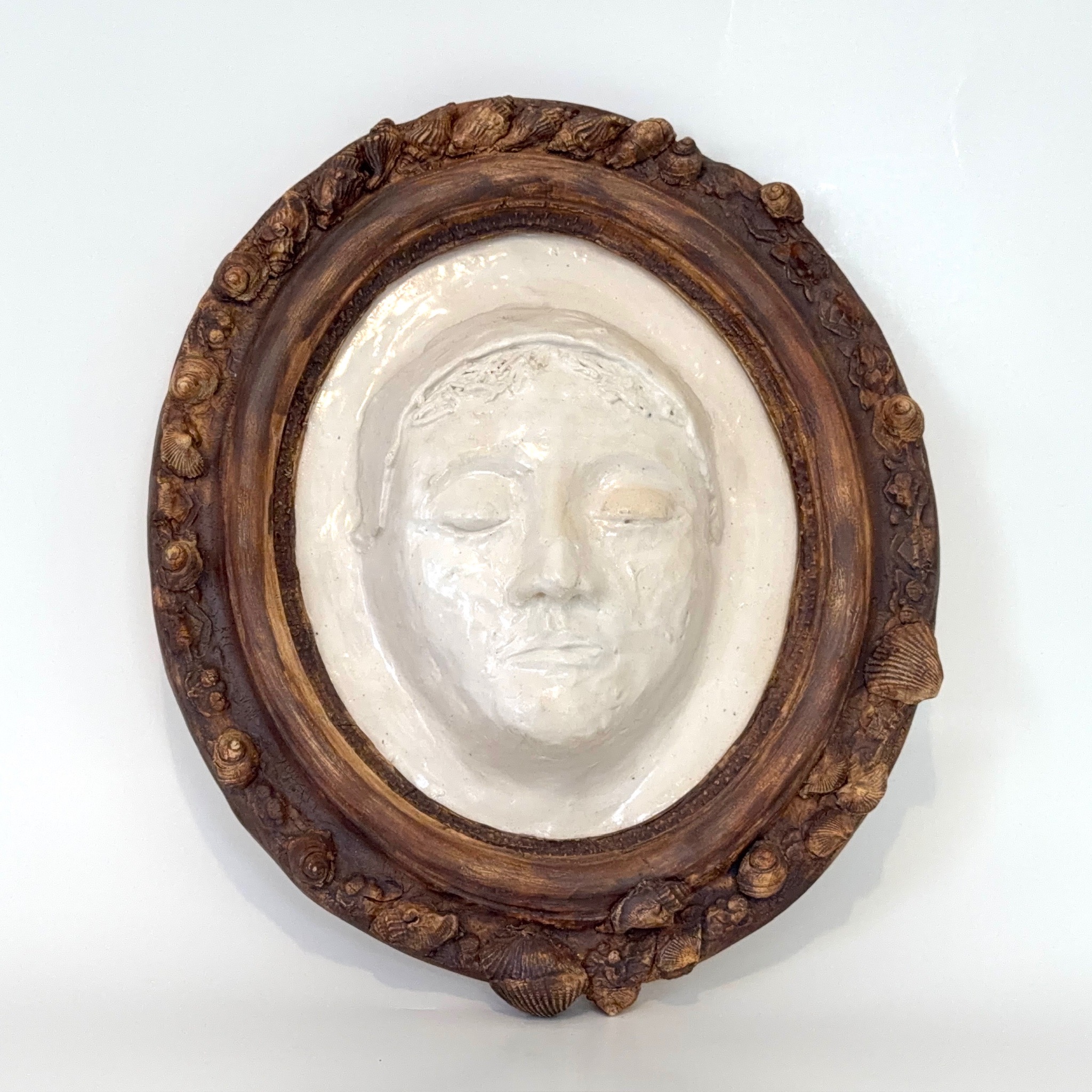
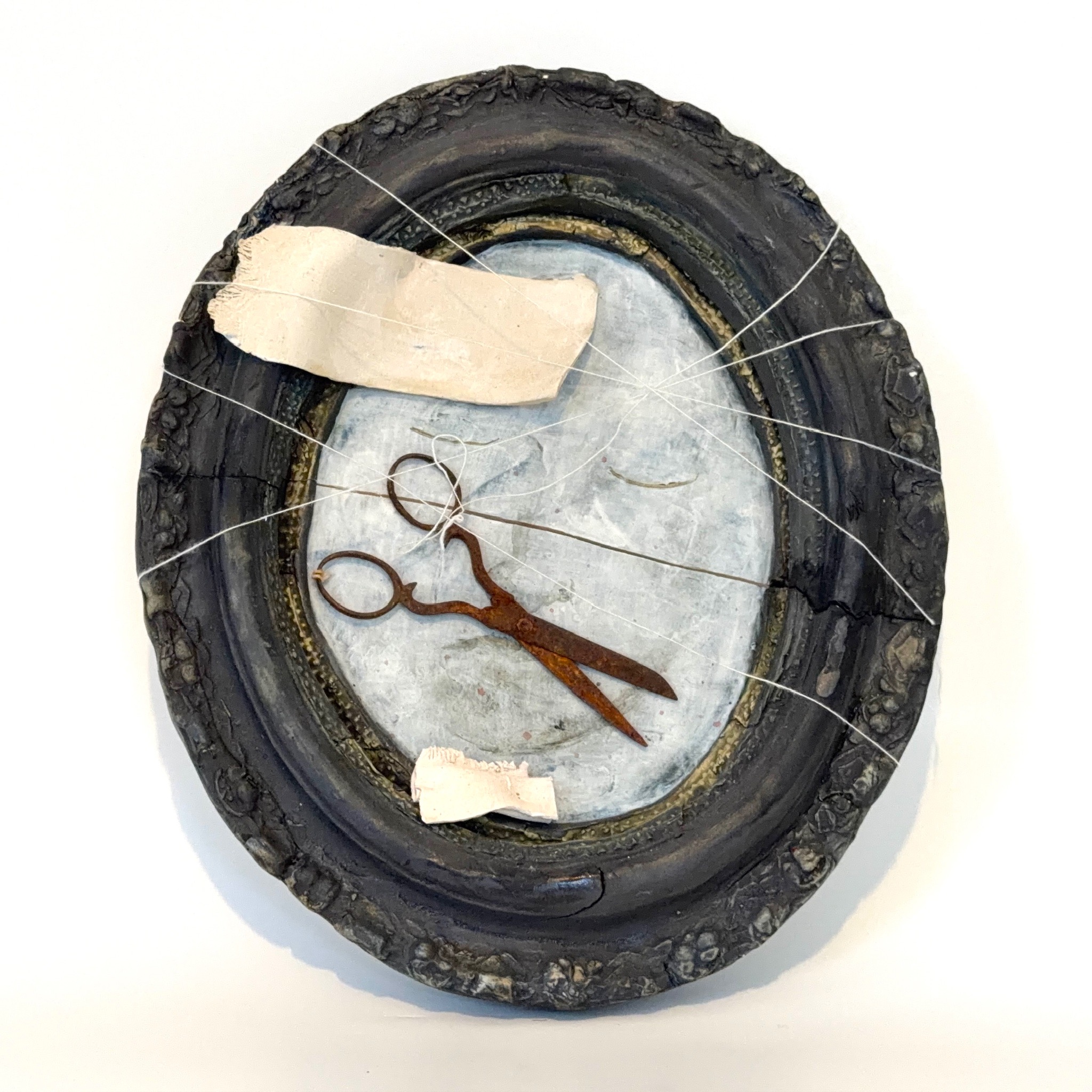
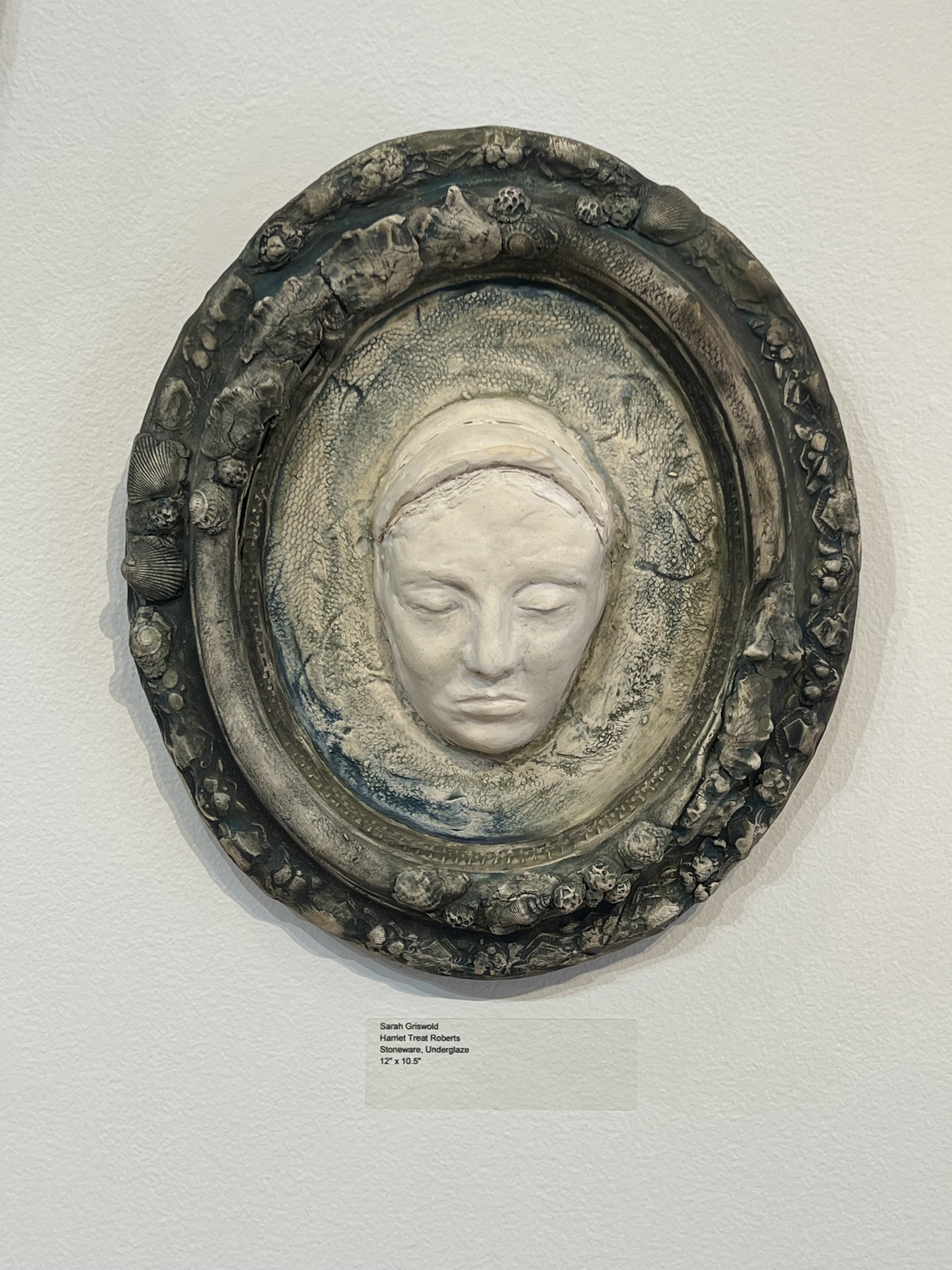
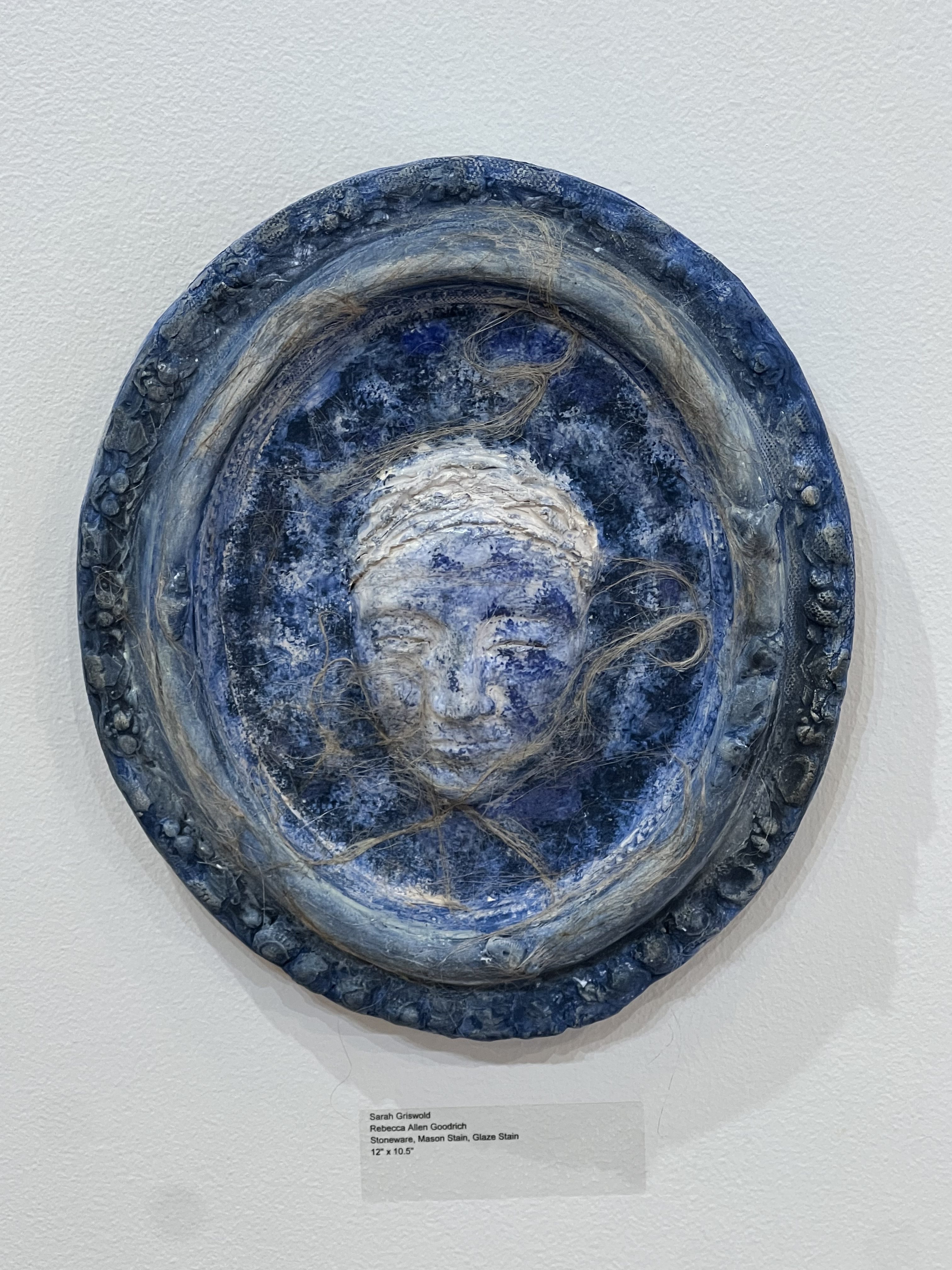
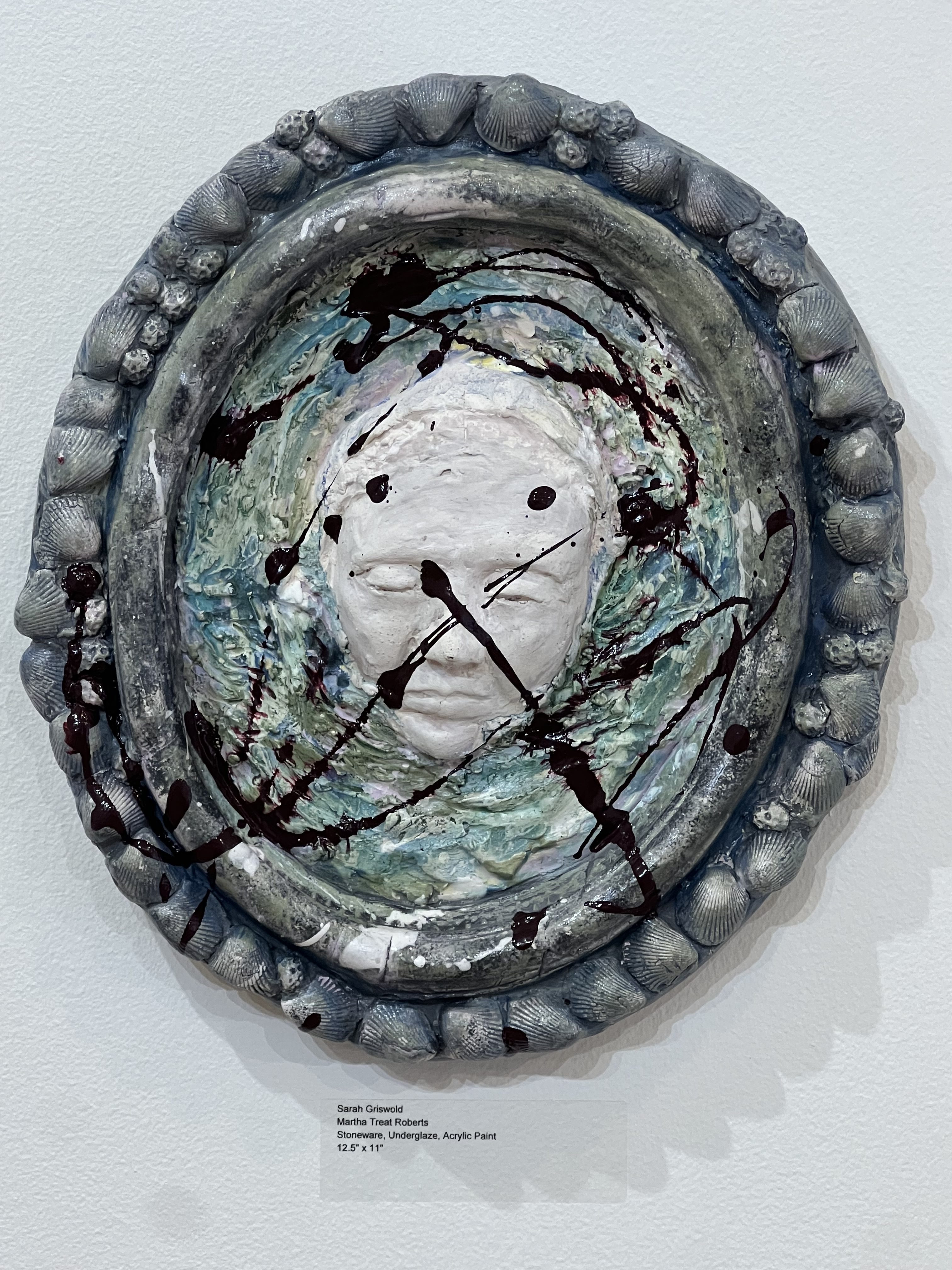
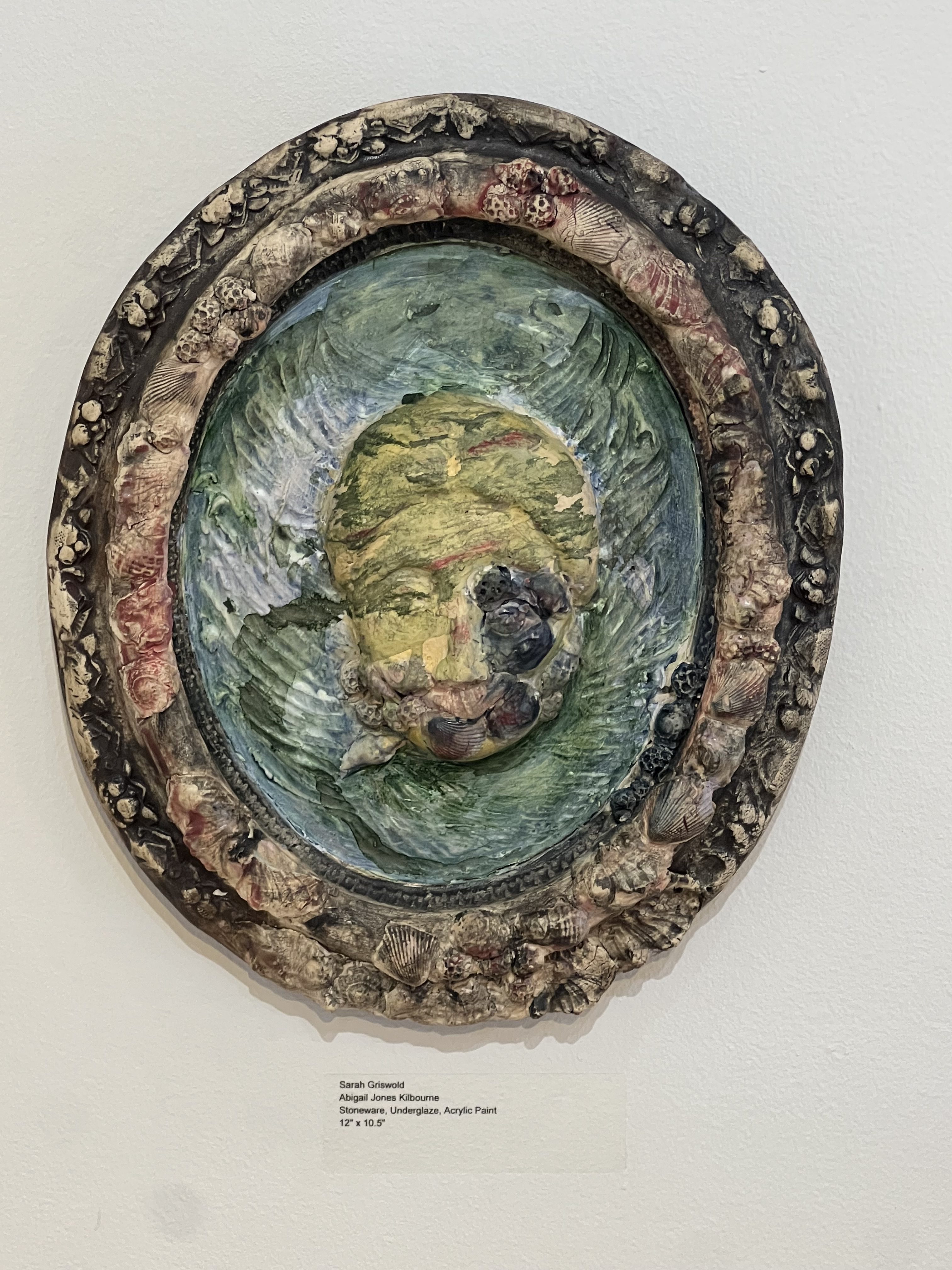
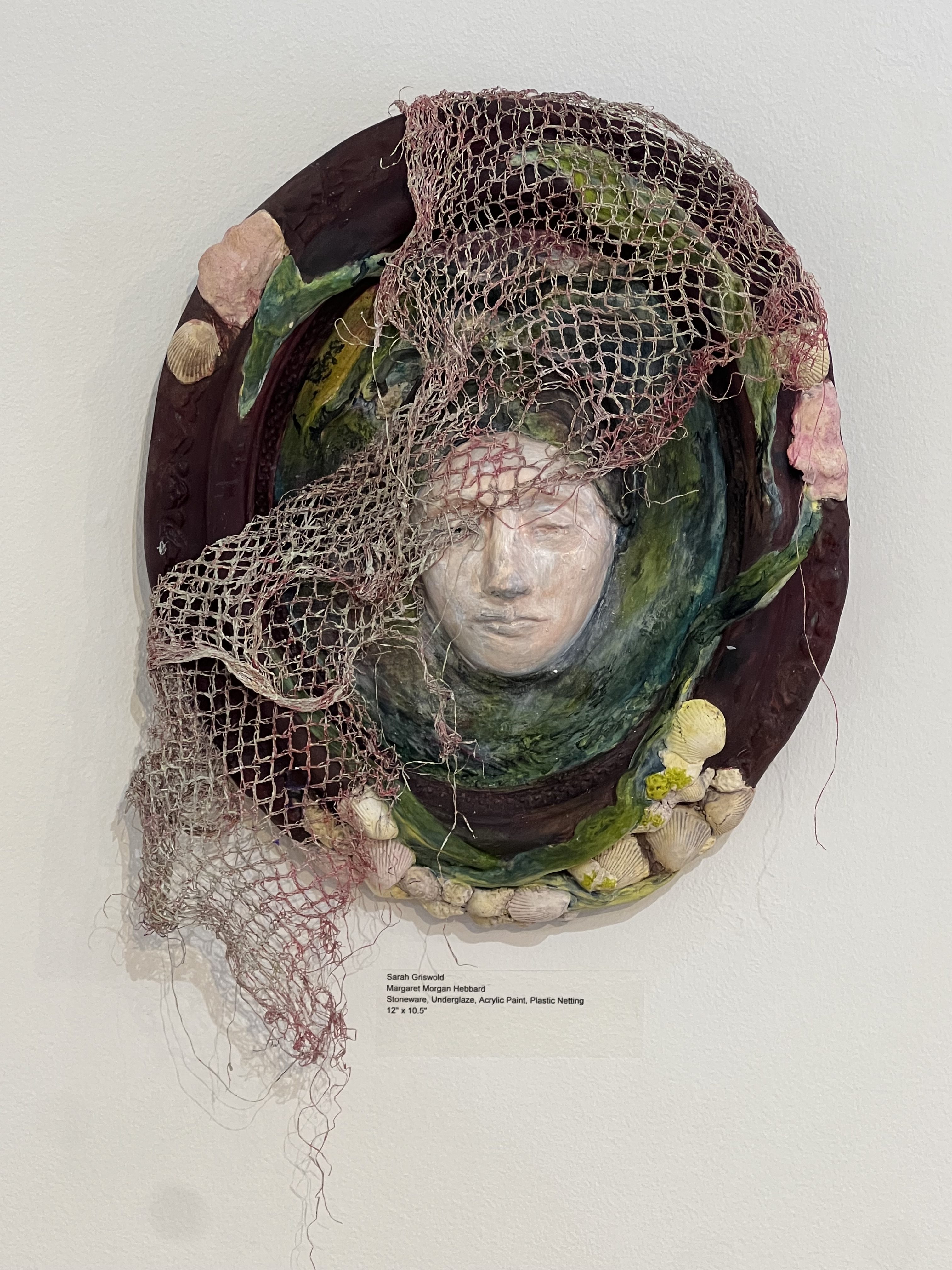
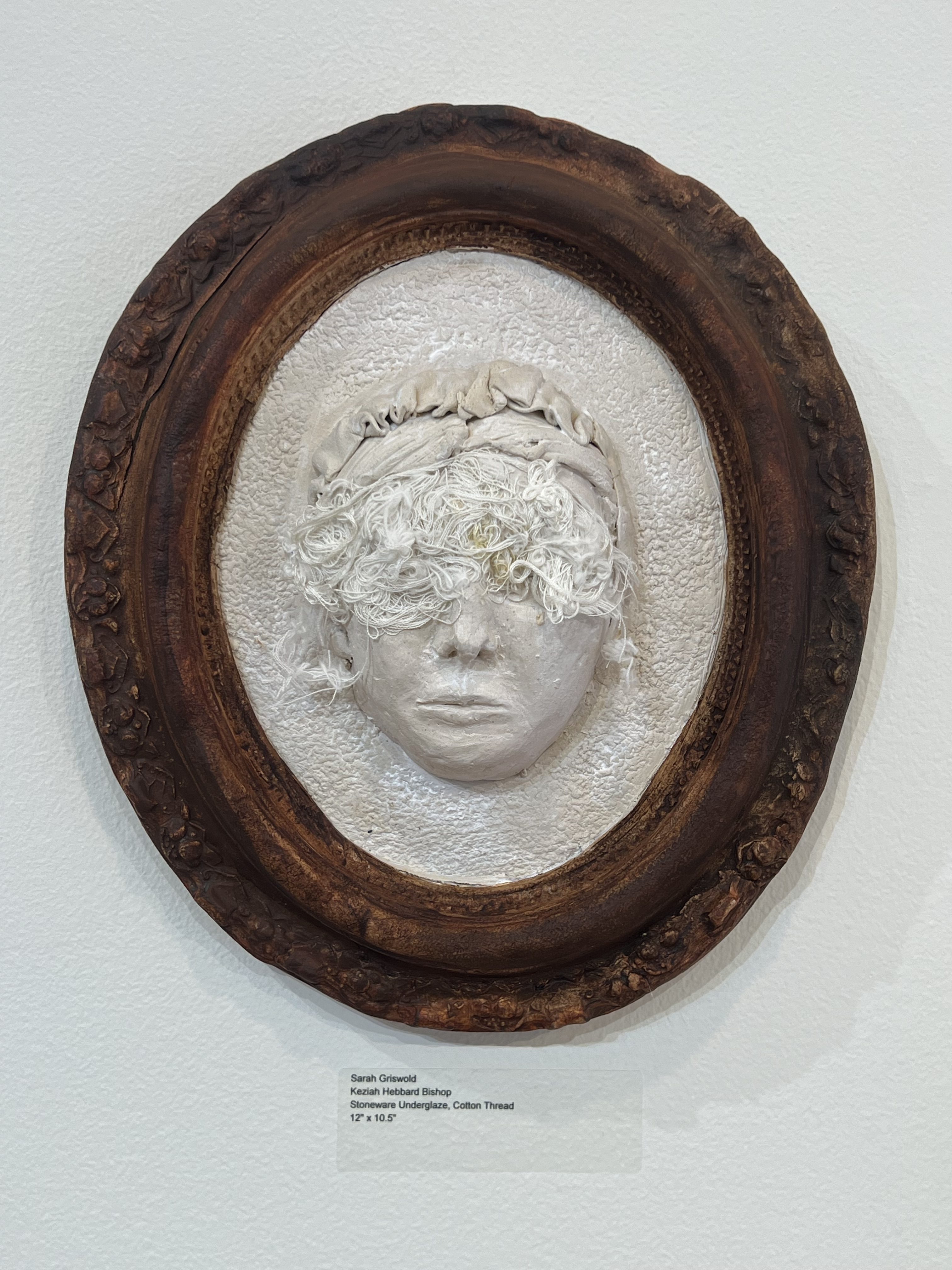
Portraits of Complicity are imagined portraits of some of my female ancestors who, while powerless in a larger sense, still benefited from the actions of the men in their lives who conquered, fought, extracted resources, and profited from an extractive and sin-oriented worldview. Although I don’t know much about their lives, I am the beneficiary of all their work did bringing generations into the world, supporting their husbands, sons, and fathers. I wanted to name them and, where I could, acknowledge the details of their lives.
FRANCES MOODY KILBOURNE
1585 – Born in Wood Ditton, Cambridgeshire, England
1604, Exchanged her father’s name for her husband’s -age 20
1609 – 1625 – 8 children
1635 – Sailed for Turtle Island (age 50),
settled in Pyquag, Wangunk Territory (Wethersfield, CT))
1637 or 39- Widowed in the Pequot War (probable)
1650 – Died in Pyquag,
leaving her beehives to her daughter – age 65
SARAH BRONSON KILBOURNE
1641 – Born Poquonock, (Farmington, CT)
1665 – Exchanged her father’s name for her husband’s- age 24
1665 – 1675 – 6 Children
1711 – Died in Pyquag (Wethersfield, CT) – age 70
REBECCA ALLEN GOODRICH
1660 – Born Mishawum, (Charlestown, MA)
1678 – Exchanged her father’s name for her husband’s – age 18
1679 – 1694 6 Children
After 1719 – Died Pyquag, (Wethersfield, CT) – age around 60
MARY DIGGINS KILBOURNE
1711 – Board Mattabesett (Middletown, CT)
1729 – Exchanged her father’s name for her husband’s -age 18
1729 – 1742 – 10 Children
1748 – Widowed age 37
1761 – Saukiog (Hartford, CT) – age 50
ABIGAIL JONES KILBOURNE
1729 – Born Saukiog (Hartford, CT)
1752 – Exchanged her father’s name for her husband’s – age 23
1752 – 1759 – 5 children
1759 – Widowed (husband lost at sea)
1798 – Died in Saukiog- age 69
LAURENA EVANS KILBOURNE
1757 – Born Nowashe (E. Windsor, CT)
Ca. 1782 exchanged her father’s name for her husband’s – age 25
1783 – 1800: 8 Children
1801 – Died Hockanum (E. Hartford) – age 44
MARTHA TREAT ROBERTS
1788 – Born Nowashe (E. Windsor, CT)
1805 – Exchanged her Father’s name for her husband’s -age 17
1807 – 1808 – 2 children
1809 – Died, possibly in childbirth, Hockanum (E. Hartford, CT)
– age 21
HARRIET TREAT ROBERTS
1789 – Born Nowashe (E. Windsor, CT)
1809 Exchanged her father’s name for her husband’s -age 20
following the death of her sister Martha
1810 – 1819 – 6 children
1822 – Died, possibly in childbirth, Hockanum (E. Hartford)
– age 33
ROXA GILLETT KILBOURNE BURNHAM
1789 – Born Nowashe (E. Windsor, CT)
1805 ? – Exchanged her father’s name for her husband’s -age 16
1806 – 1820 – 6 children
1822 – Declared widowed (husband lost at sea, intestate) -age 33
(Granted $79 worth of household goods and a mourning costume In pronate)
1825 – Exchanged her husband’s name for a new husband 27
years her senior
1845 – Widowed again
1851 – Died, Hockanum (E. Hartford) – age 63
JERUSHA ROBERTS KILBOURNE
1819 – Born Hockanum (E. Hartford)
1838 – Exchanged her father’s name for her husband’s
1839 – 1848 – 4 children
1909 – Died Hockanum (E. Hartford) – age 90
ELLEN MARIA (NELL) KILBOURNE BISHOP
1845 Born Hockanum (E. Hartford)
1879 – Exchanged her father’s name for her husband’s – age 34
1880 – 1894 – 4 children
1934 – Widowed
1937 – Died Yantic, Mohegan Territory (Norwich, CT) – age 92
ELIZABETH HYDE LORD
1660 – Born Yantic, Mohegan Territory (Norwich, CT),
first white child born in Norwich
1682 – Exchanged her father’s name for her husband’s – age 22
1694 – Child (other children not known)
1736 – Death Nehantic Territory (Lyme, CT) age 76
MARGARET MORGAN HEBBARD
1686 – Born Mohegan Territory (Preston, CT)
1709 – Exchanged her father’s name for her husband’s – age 23
1722 – Child (other children not known)
1732 – Widowed
1752 – Died Willamantic (Windham)
KEZIAH HEBBARD BISHOP
1722 – Born Willamantic (Windham, CT)
1739 – Exchanged her father’s name for her husband’s – age 17
1740 – Child (other children not known)
1770 – Died Willamantic (Sprague, CT) – age 48
HANNAH PAGE BISHOP
1744 – Born Yantic (Norwich, CT)
Ca. 1760 exchanged her father’s name for her husband’s
1762 – Child (Other children not known)
1775 – Widowed
1835 – Died – age 91
WELTHEAN (WEALTHY) ADAMS BISHOP
1760 – Born Yantic – Mohegan Territory (Norwich, CT)
1783 – Exchanged her father’s name for her husband’s age 23
1789 – Child (other children not known)
1839 – Died Yantic (Norwich, CT) – age 79
LUCY HUNTINGTON BISHOP
1793 – Born Mohegan Territory (Lisbon, CT)
1815 – Exchanged her father’s name for her husband age 22
1818 – Child (other children not known)
1855 – Died Mohegan Territory (Hanover, CT) – age 62
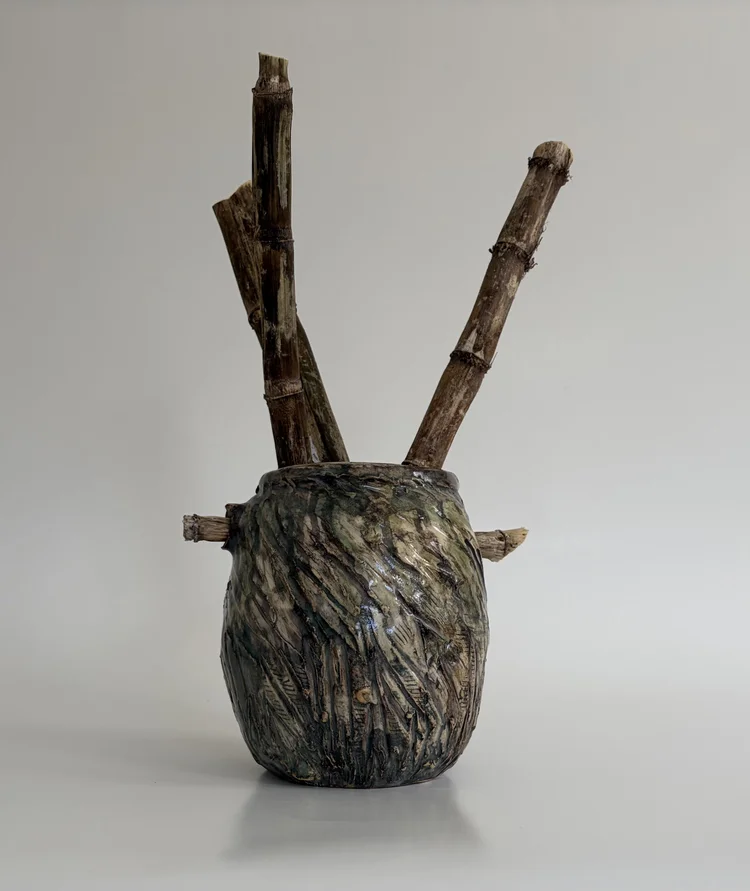
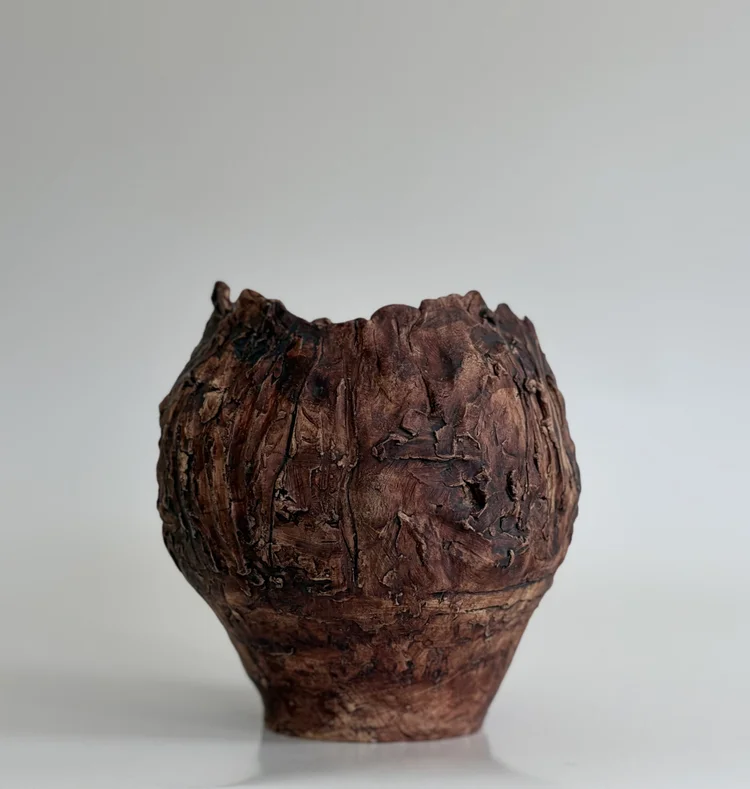
Jars of Patriarchy and Conquest
Jars are usually associated with the female form, but I wanted to recognize the ways in which my male ancestors introduced plants, animals, belief systems, behaviors, waste, pollution, slavery, and disease. They also removed resources, wealth, and sovereignty. These actions continue to play out today. The Jars of Patriarchy represent the many ways in which that extractive worldview has played out in the Americas particularly, but also everywhere that Colonialism has touched the Earth. This is part of my personal legacy and I feel the need to acknowledge the complicated nuances of their actions.
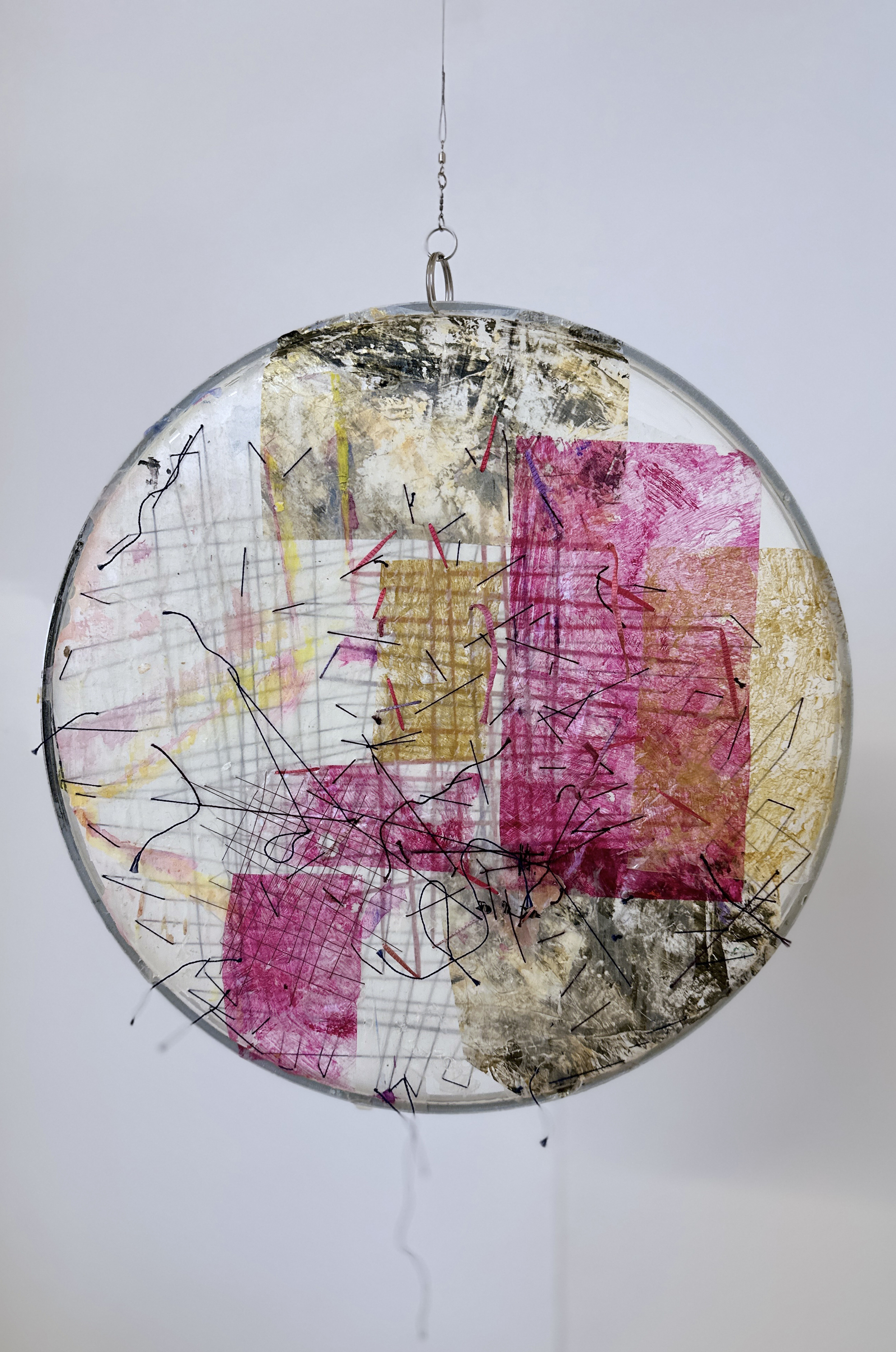
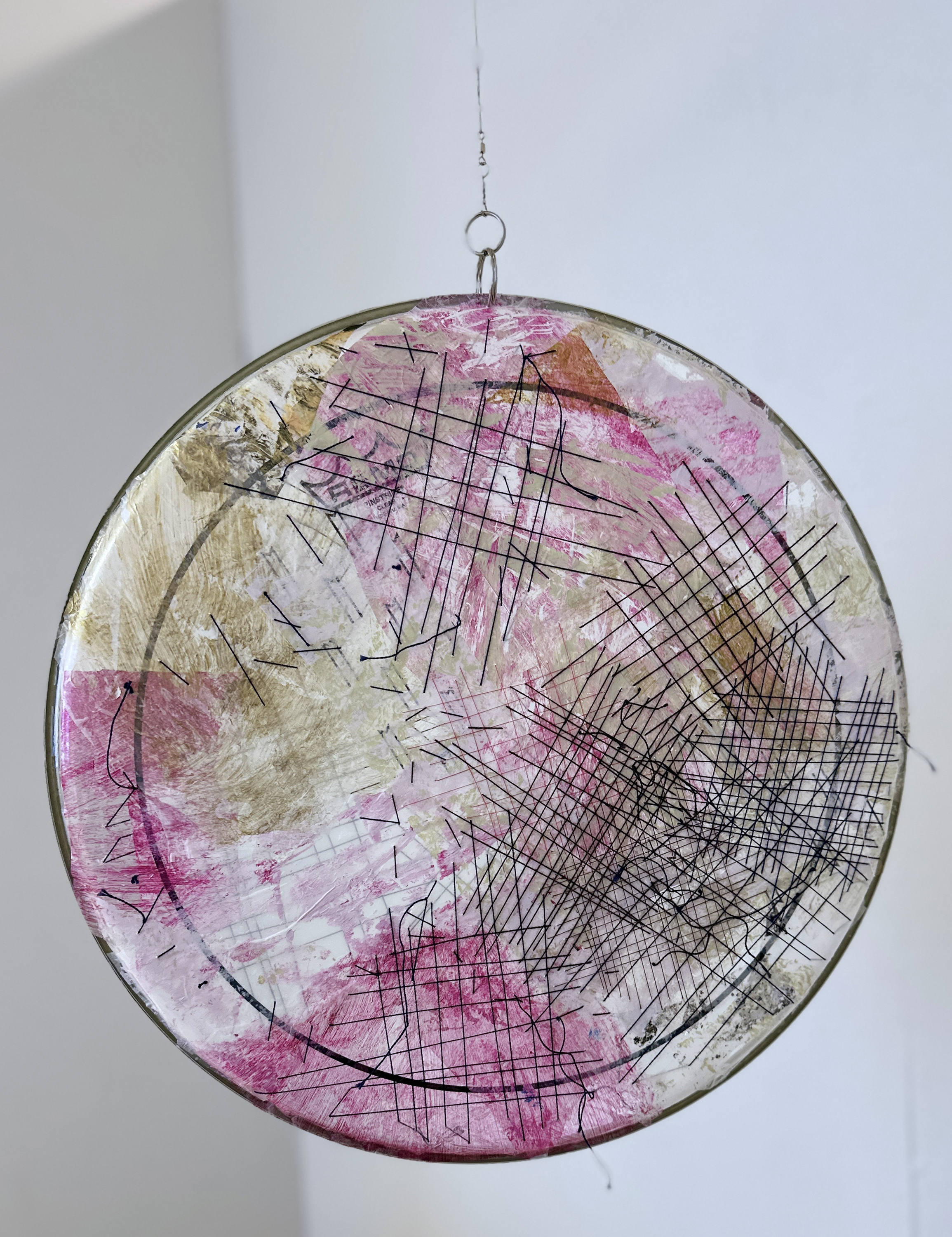
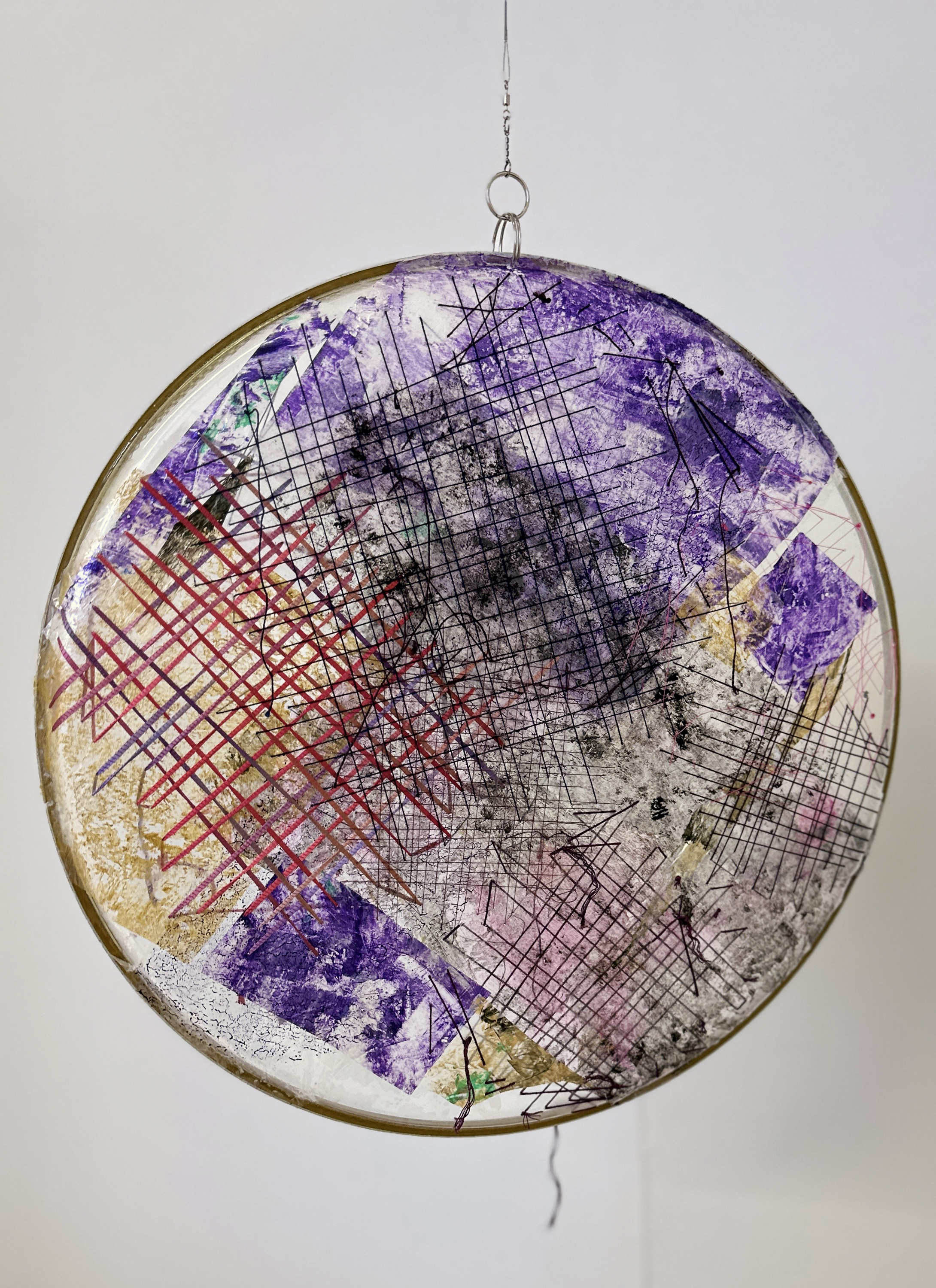
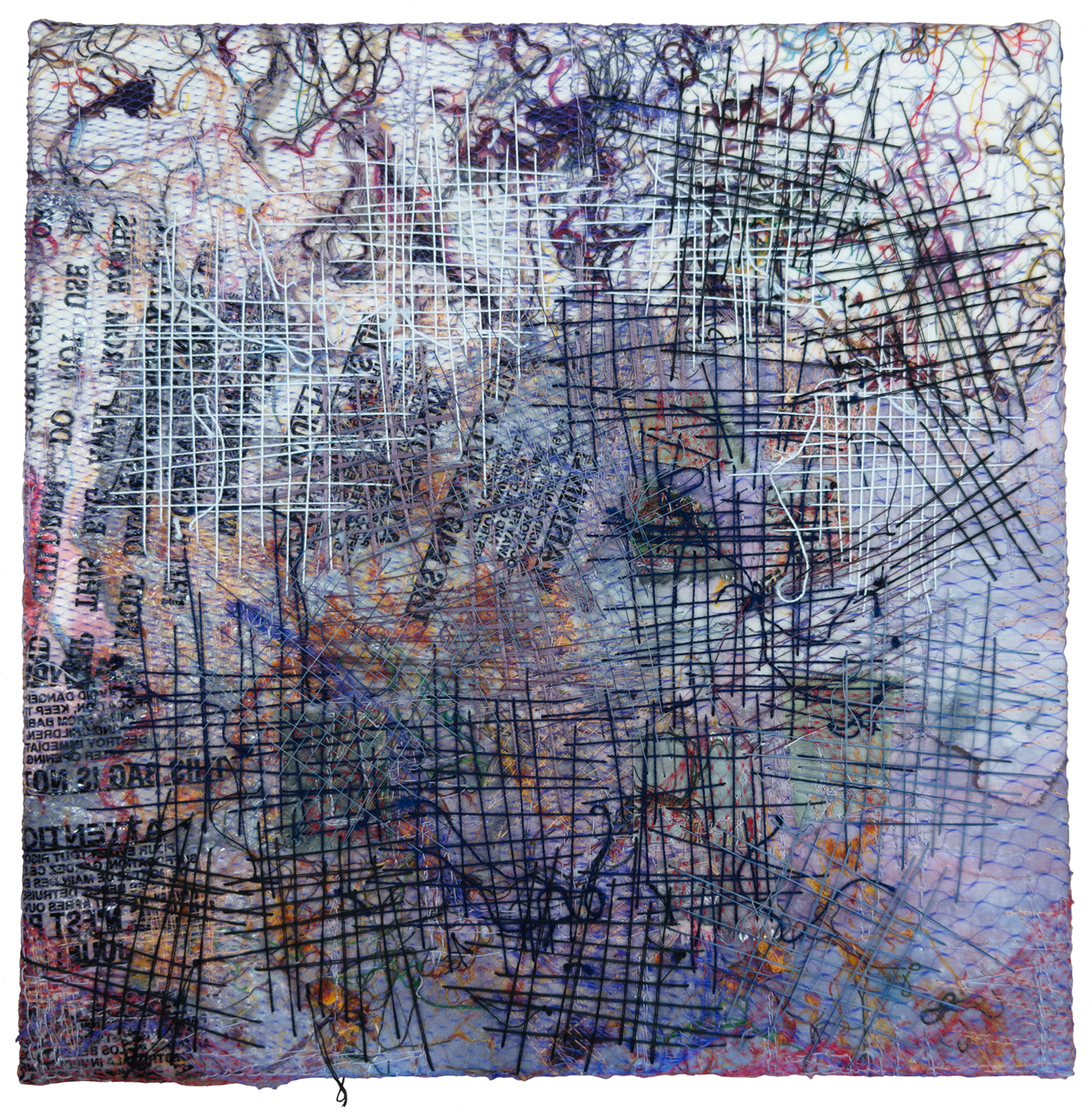
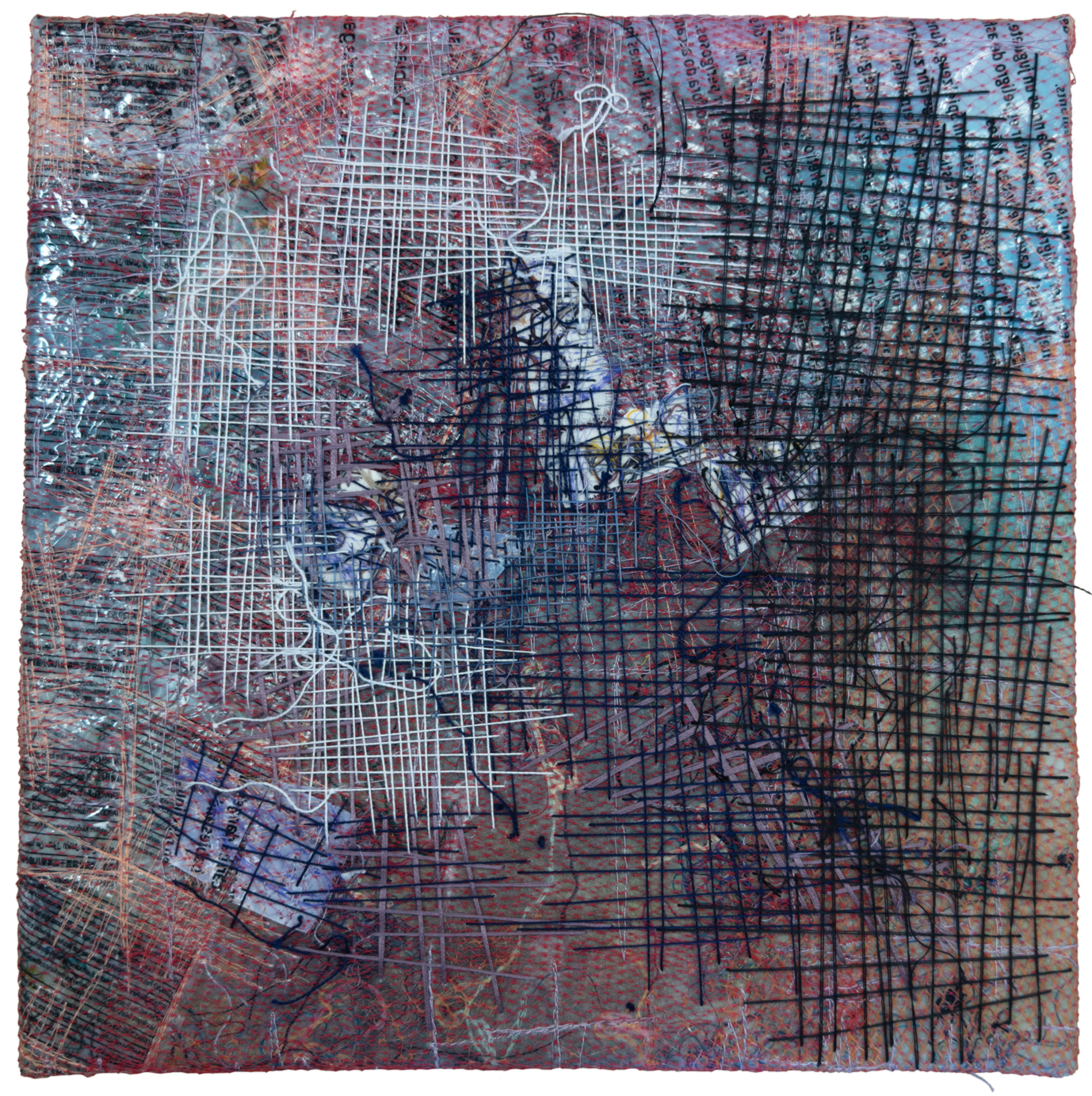
In my objects, installations, and public artworks, I reclaim and repurpose trash that litters the streets, forests, waterways, and beaches. Materials come primarily from my home and local community, and on daily walks and through social media. I collect single-use plastic packaging, including plastic mailers, shopping bags, water bottles, food wrappers, found thread, and vintage linens.
I transform these unwanted materials — cutting them apart, collaging them together, stitching by hand and by industrial sewing machine — in an act of mending and beautification. The resulting objects are relics, making visible the materials choking the environment and overflowing landfills.
My practice involves the community, developing and creating public artworks where we pick up trash on walks, in our neighborhoods, and bring nonrecyclables from our homes. Collectively the materials are built into installations and objects, inspiring creativity, connections, and stewardship among neighbors as we learn how every little bit counts when we all work towards a better future.
These artworks before you are ruminations on healing, mending, and seeing: what does one need in order to heal properly? What kind of mending will help with healing? What must one be able to see in order to mend and heal? I am responding to emotions and materials, and letting intuition guide my hands. In this precarious world, where our future is uncertain yet full of astonishing possibilities, I am committed to both environmental action and artistic beauty.
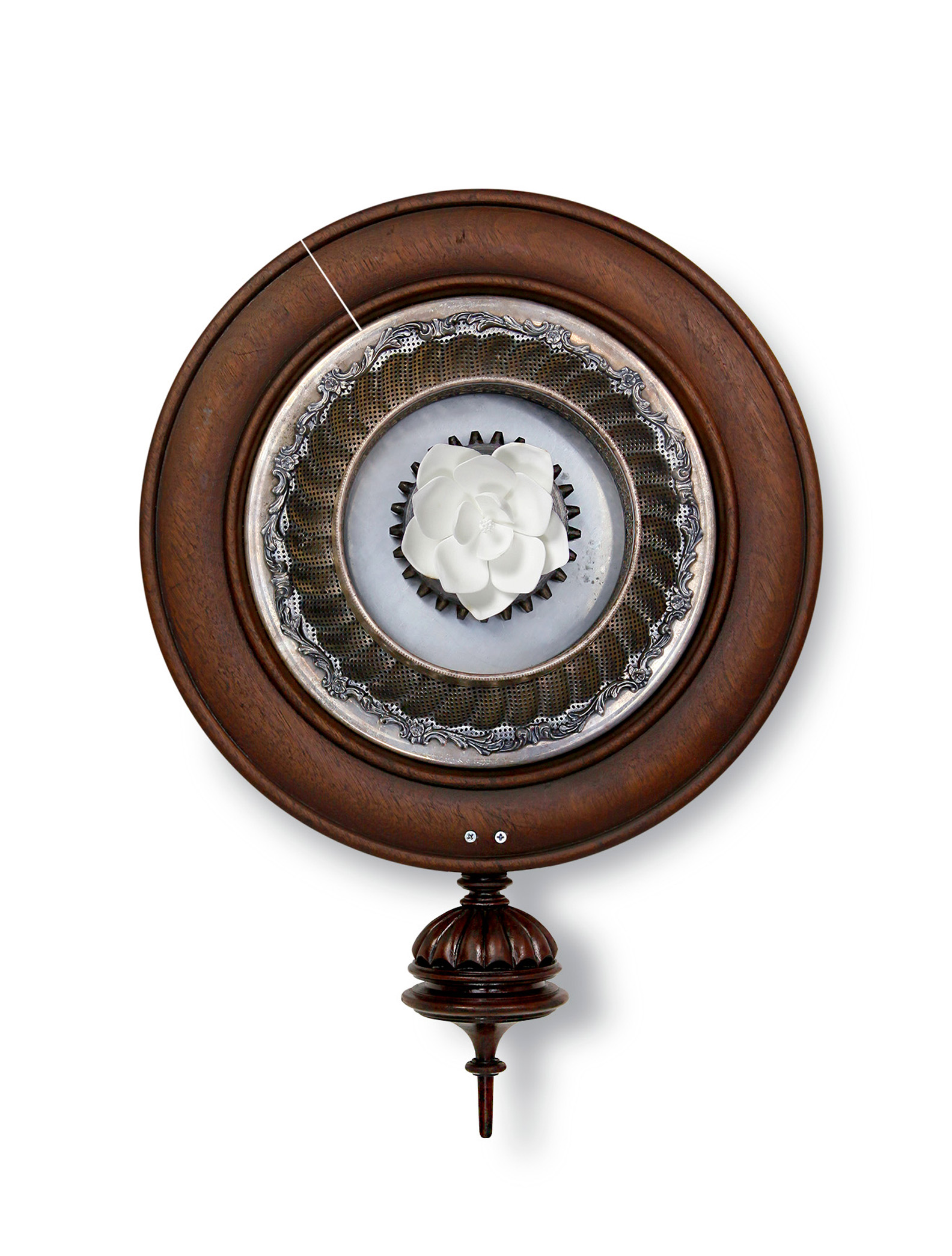
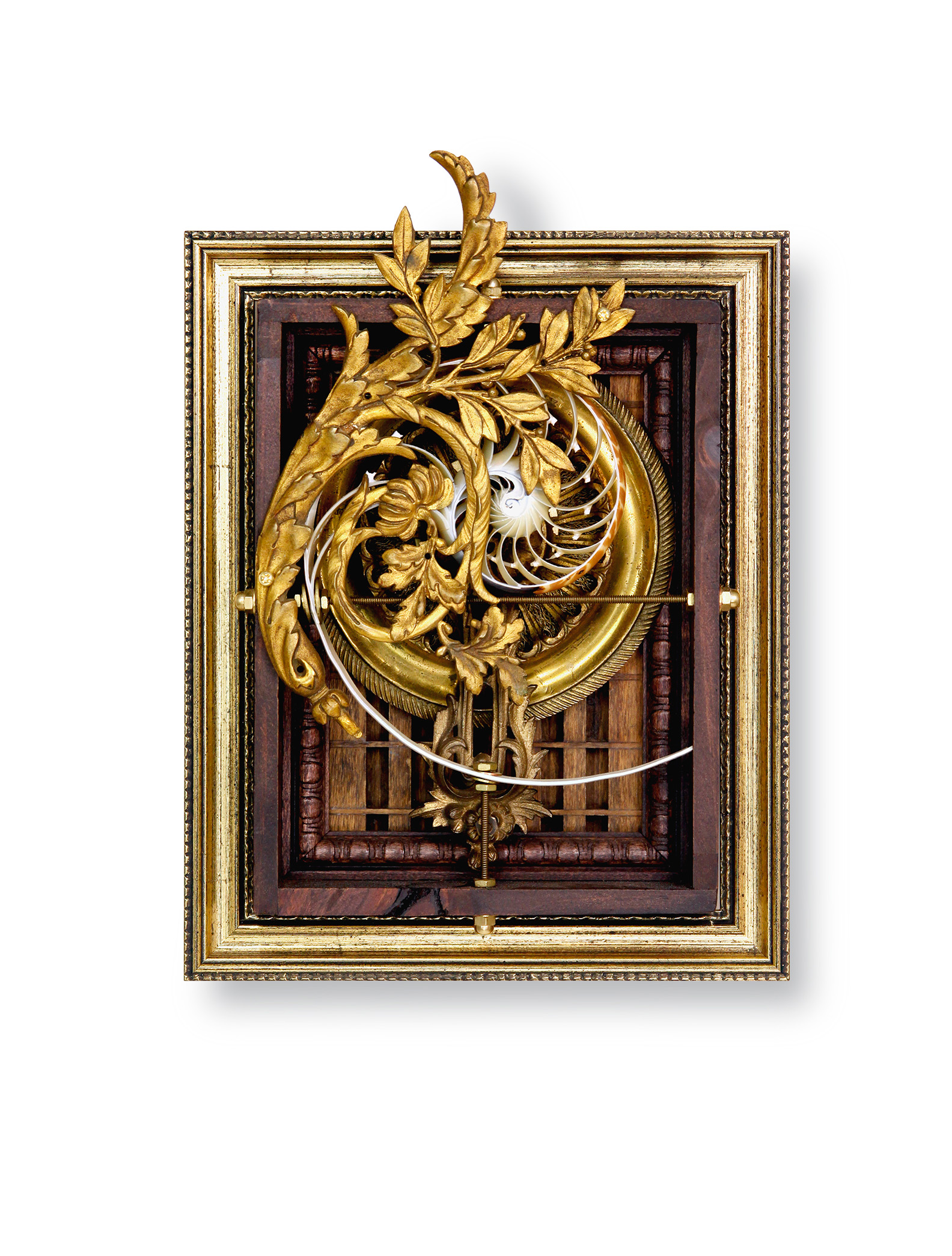
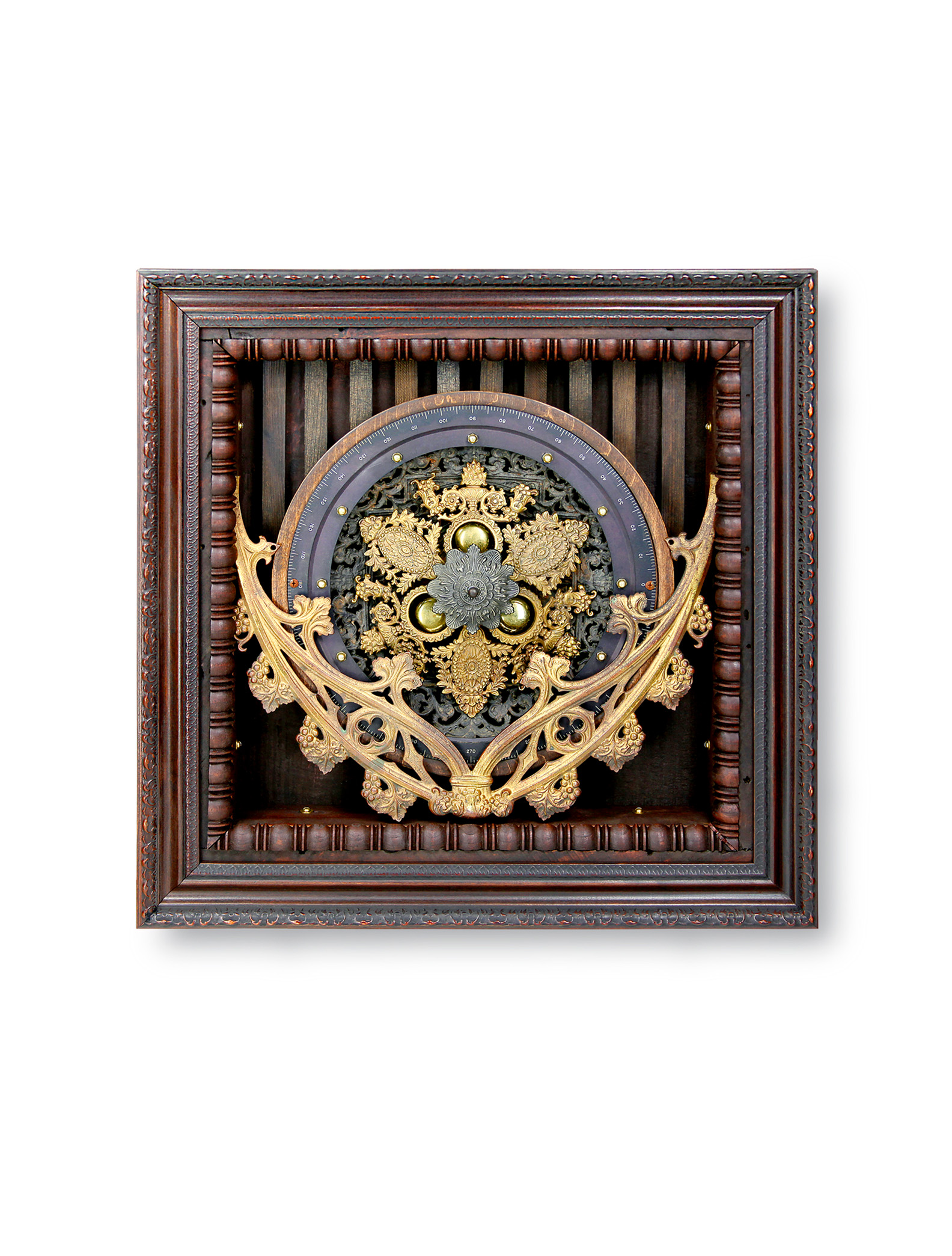
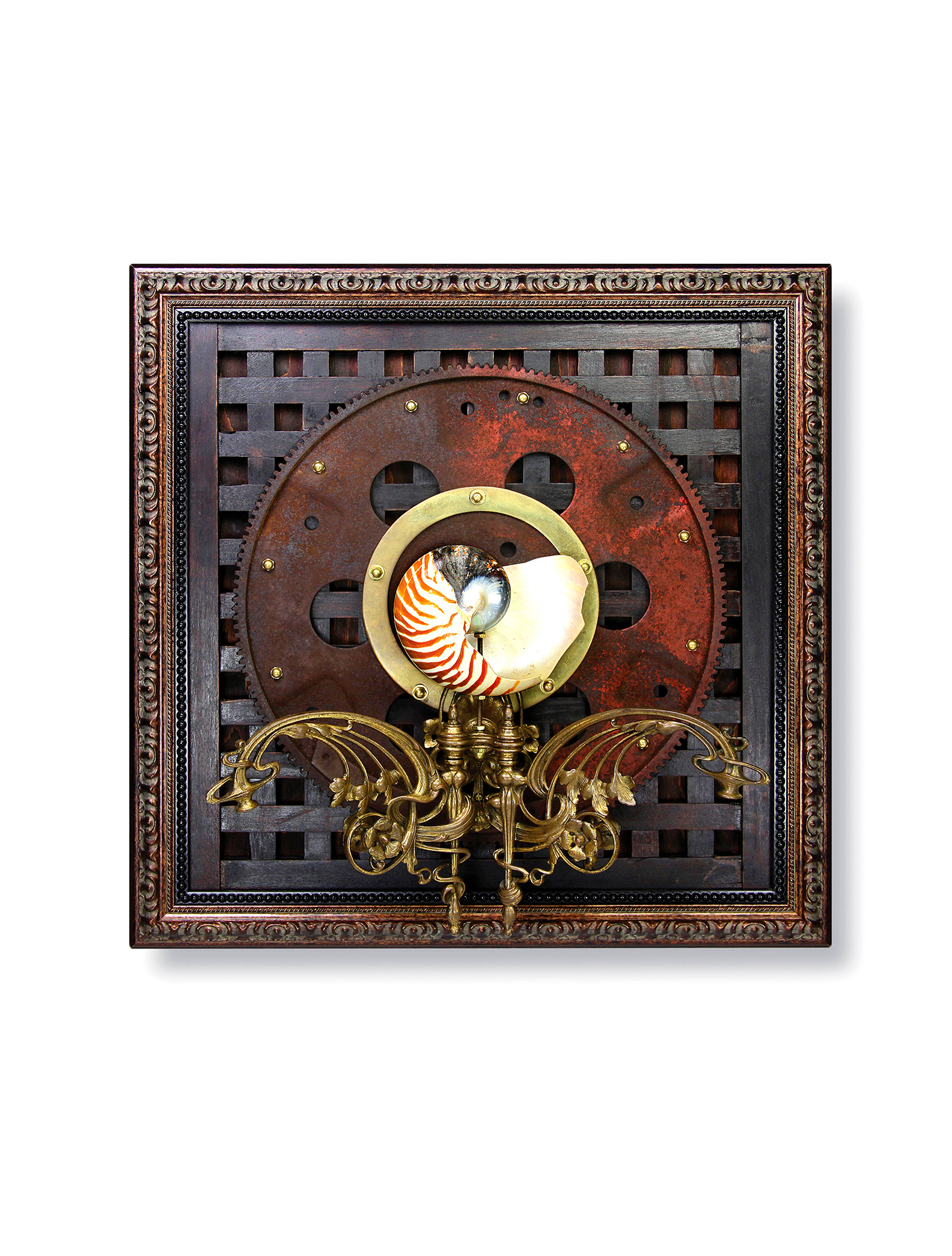
I take a very methodical approach to creating my assemblages. Found objects are arranged in a formal style: balance, composition
and texture are integral elements of my work that act as a means to explore the redemptive qualities of discarded material.
My limited color palette comes from the materials used, such as: aged, dark wood; brass, silver and gold leaf; machine
parts; rusted metal; glass and natural elements. With artificial mechanisms, parts of unknown objects and bits of nature, each
assemblage speaks of some unknown purpose or history. Ultimately, in contrast to their humble origins, these assemblages
transcend the found quality of their individual parts to become objects of beauty.
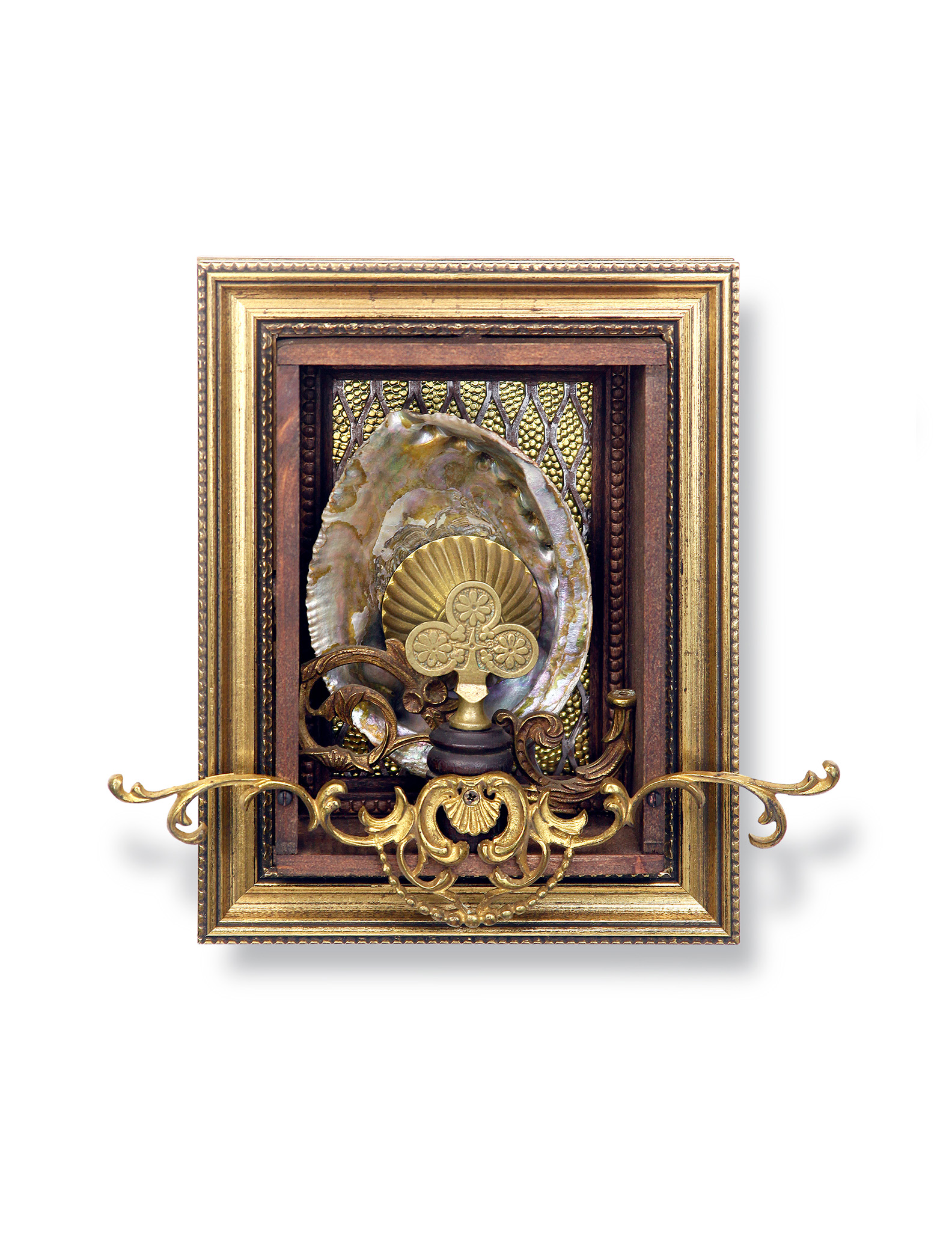
I have no illusions of wanting to be “new”. I only want to put forward work that is original. My goal is to have clarity of vision
that when I put a piece together, it is unique and stands by itself as a work of art and as a body of work. My assemblages become
little shrines to unknown deities or reminders of memories familiar but long past. They speak not only of some unknown history
but they speak of my history as well and I call them Foundlings.